
5 Digital Photography Tips For Beginners provide practical, experience-based guidance that helps new photographers make better decisions, improve skills faster, and create stronger images by focusing on purpose, learning, composition, practice, and review.

Key Takeaways – 5 Digital Photography Tips
- Buy with purpose, not pressure. First, understand why you need a camera or lens so your gear supports how you actually shoot.
- Invest in learning early. Next, take a photography course to connect exposure, lenses, and composition with real results.
- Train your eye for composition. Then, use balance, lines, framing, and depth of field to guide attention and strengthen images.
- Practice deliberately in the field. After that, shoot often and review results so experience builds confidence and consistency.
- Review and refine every shoot. Finally, analyze your images honestly and apply small improvements that lead to lasting growth.
5 Digital Photography Tips For Beginners
I began photography with an entry-level digital camera and a standard kit lens. Like many beginners, I believed better cameras would automatically produce better images. Over time, I learned that real growth comes from understanding, not upgrades.
This article shares five practical digital photography tips for beginners. These tips cover buying gear with purpose, learning through courses, understanding composition, building field skills, and refining images through review.
Each tip comes from real experience, not theory or hype. They aim to help you avoid costly mistakes and grow with confidence. As you read on, you will see how simple choices can lead to stronger, more meaningful photographs.
1. Buy When You Know Why
Buying camera gear makes sense only when you clearly understand how each piece supports your style, subjects, and long-term photographic goals, rather than impulse or trend.
A. Buy With Clear Purpose
Many photographers regret purchases because they chase features instead of function. I learned this lesson after buying expensive gear that now sits unused. A clear purpose keeps your kit lean, practical, and enjoyable to use in real shooting conditions.
Understanding why you need a camera or lens leads to better decisions. Purpose connects your subjects, shooting frequency, and preferred focal lengths. When you buy with intention, you reduce waste and invest in tools that truly serve your photography.
B. Buy Based on Real Use
Lens choice matters most because focal length shapes how you see. I wasted money before I understood how each lens behaves in practice. Reviewing image data later showed I favored wide and short telephoto ranges far more than extreme focal lengths.
Usage data tells the truth about your needs. Most of my images fell between 17–24mm and 70–105mm, with few at 500mm. If I started again, one full-frame camera with a 24–70mm lens would cover landscapes and portraits with confidence.
2. Take a Course In Photography
A good photography course accelerates learning by turning scattered knowledge into clear understanding and practical skill you can apply immediately.
A. Learn With Structured Guidance
I learned far more about cameras and lenses after taking a fundamentals course. Structure matters because it connects exposure, composition, and lens choice into one clear system. Courses reduce confusion and replace guesswork with confident decisions behind the camera.
Books, manuals, and videos helped me understand features and settings. Courses helped me understand photography itself. Clear instruction showed me how tools work together and why certain choices produce stronger images in real situations.
B. Learn From Proven Instructors
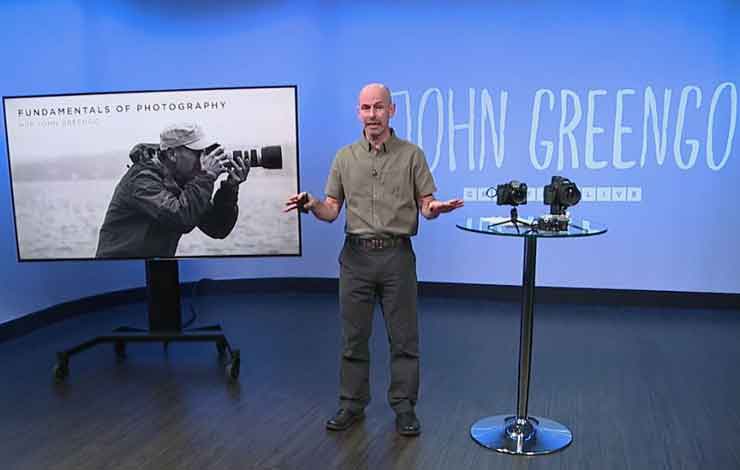
I gained tremendous value from studying with John Greengo through his Fundamentals of Photography course. He explains concepts clearly and builds skills step by step. His teaching suits photographers who want mastery rather than shortcuts.
Quality instructors save time and money. They help you choose equipment wisely and avoid costly mistakes. A strong course reveals what gear you need, what you can ignore, and how to create images with intention and confidence.
3. Know Your Digital Camera and Lenses
Knowing your camera and lenses deeply allows you to work confidently, respond quickly, and translate photographic ideas into strong images without hesitation.
A. Learn Through Focused Study
Once I understood photographic fundamentals, learning my camera became easier and more enjoyable. I still took a course specific to my camera because targeted instruction revealed features I overlooked and controls I rarely used.
Many cameras include workshops, guides, or instructional videos. For a small investment, I gained clarity and confidence. That focused study helped me move beyond basic operation and start using my camera with real intention.
B. Learn Through Repeated Practice
Practice taught me more than anything else. I learned my camera and lenses by shooting again and again in real situations. Each session reinforced how settings affected results and how lenses behaved in different conditions.
I regularly review camera settings and revisit in depth training. Repetition reveals details you miss early on. Over time, familiarity grows and control becomes instinctive, which allows creativity to lead instead of confusion.
4. Get To Know Photographic Composition
Photographic composition trains you to see scenes intentionally so you can arrange visual elements that guide attention and create stronger, more engaging images.
A. See With Visual Balance
Composition begins when you learn to see like a photographer. The rule of thirds helps place subjects where the eye naturally rests. Thoughtful placement creates balance and gives images clarity, strength, and visual interest.
Balanced photographs attract attention and invite comment. When elements feel ordered, viewers stay longer. Taking time to adjust position, angle, and spacing often separates ordinary snapshots from photographs that feel intentional.
B. See With Visual Direction
Natural lines guide the viewer through an image. Roads, fences, tree lines, and horizons pull the eye toward the subject. These lines add depth and movement when you position them with care.
Depth of field shapes visual emphasis and mood. Shallow depth isolates subjects, while deeper focus shows context. Framing with branches, buildings, or natural edges strengthens composition by directing attention exactly where you want it.

5. Hone Your Field skills
Field skills grow through repeated shooting, reflection, and real-world experience that turns technical knowledge into confident photographic instinct.
A. Practice With Purpose
Skill develops when you take shot after shot in real conditions. Each frame teaches you what works and what fails. Purposeful practice sharpens timing, composition, and exposure faster than reading or watching alone.
Treat every outing as a learning session. Experiment with angles, light, and settings. When you review results honestly, patterns emerge and confidence grows with every shoot.
B. Practice With Confidence
Experience turns photography into a relaxing and enjoyable hobby. Familiarity with your camera removes pressure and builds calm focus. That comfort allows creativity to replace hesitation in the field.
Confidence opens new opportunities. With practice, you can handle weddings, graduations, or landscapes when time allows. Small adjustments often separate an ordinary photograph from one your family truly treasures.
6. Review and Refine Your Images (Bonus)
Reviewing your images helps you understand your habits, improve future decisions, and refine your photography with clarity and intention.
A. Review With Honest Evaluation
Image review reveals what truly works in your photography. When you look closely, patterns appear in focal length, composition, and subject choice. Honest evaluation replaces guesswork with evidence and guides smarter decisions next time.
Ask simple questions during review. Does the image feel balanced? Does the subject stand out clearly? Careful observation trains your eye and strengthens how you shoot in the field.
B. Refine With Intentional Adjustments
Refinement begins when you apply what review teaches you. Adjust framing, timing, or lens choice based on repeated results. Small changes compound quickly and lead to noticeable improvement across future shoots.
Post-processing also plays a supporting role. Thoughtful cropping, exposure adjustment, and contrast control strengthen images without rescuing weak technique. Refinement works best when it supports strong capture decisions made in camera.
Conclusion
Photography improves when beginners focus on purpose, learning, and practice rather than chasing gear. These five tips encourage thoughtful buying, steady learning, strong composition, real-world shooting, and honest review. Together, they build skills that last beyond any camera upgrade.
Apply these tips each time you shoot. Observe light before adjusting settings. Choose lenses that match how you photograph. Practice regularly, review your images, and make small improvements. These habits build confidence and help you create stronger images in any situation.
Now take action. Choose one tip and apply it on your next shoot. Review your images with care and intention. Keep learning, keep practicing, and enjoy the creative journey photography offers.

iPhone Photography Accessories
Frequently Asked Questions (FAQ)
Q: What camera settings should beginners learn first?
A: Beginners should first learn aperture, shutter speed, and ISO. These three settings control exposure and creative look. Understanding how they work together helps photographers handle changing light, control depth of field, and avoid relying on automatic modes.
Q: Is it better to shoot in manual or auto mode?
A: Beginners benefit from starting in aperture or shutter priority modes. These modes teach creative control while reducing complexity. As confidence grows, manual mode offers full control, but understanding light and exposure matters more than the shooting mode itself.
Q: What lens is best for beginner photographers?
A: A standard zoom lens, such as 24–70mm or 18–55mm, suits most beginners. It handles landscapes, portraits, and everyday subjects. This range teaches composition and focal length choices without constant lens changes or unnecessary expense.
Q: How can beginners improve photo composition?
A: Beginners improve composition by learning to see intentionally. Using the rule of thirds, leading lines, framing, and balance helps guide the viewer’s eye. Slowing down and observing the scene before shooting leads to stronger, more engaging photographs.
Q: Why is reviewing photos important for beginners?
A: Reviewing photos helps beginners identify patterns in mistakes and successes. Looking at focal length, exposure, and composition builds awareness. This process turns experience into learning and helps photographers make better decisions during future shoots.
Bonus: What Photography Mistakes Do Beginners Make Most Often?
Beginners often focus on camera settings instead of light and composition. They chase sharpness, gear, or modes while ignoring subject placement and balance. This habit leads to technically correct images that feel flat and uninspiring.
Many beginners also overspend on equipment without clear purpose. They skip image review and repeat the same mistakes. When photographers slow down, practice deliberately, and analyze results, improvement comes faster and confidence grows steadily.
Bonus: How Often Should Beginners Practice Photography to Improve?
Beginners improve fastest through regular, intentional practice. Short, frequent shooting sessions build stronger skills than occasional long outings. Even weekly practice trains your eye to notice light, composition, and timing more naturally.
Consistency matters more than volume. Each session should include review and reflection. When beginners practice with purpose, they turn experience into understanding and develop confidence that carries into every future shoot.
Bonus: How Does Light Affect Digital Photography for Beginners?
Light shapes every photograph before camera settings matter. Direction creates texture, shadows add depth, and quality controls mood. When beginners learn to observe light first, they choose better angles, timing, and subjects with greater confidence.
Good light simplifies exposure decisions. Soft light reduces harsh contrast, while strong light demands careful positioning. Beginners who understand light stop fighting conditions and start using them to create clearer, more compelling images.