
The 5 Guidelines For Composition in Photography help you see scenes with fresh eyes. They encourage thoughtful choices that turn ordinary moments into meaningful images. With practice, these principles build confidence and unlock creative vision.
Key Takeaways – 5 Guidelines for Composition in Photography
- First, place subjects intentionally. Use the rule of thirds to move subjects off center and create stronger visual interest.
- Next, balance the frame. Distribute visual weight through shapes, tones, and placement so the image feels stable and natural.
- Then, use natural lines. Look for roads, fences, rivers, or shadows that lead the viewer’s eye into the scene.
- After that, control depth of field. Adjust aperture, focal length, and distance to separate subjects or keep scenes sharp.
- Finally, frame with purpose. Use trees, branches, or architectural elements to guide attention and add depth.
5 Guidelines for Composition in Photography
I stumbled into photography years ago while searching for a calm, stress free hobby. I expected instant results. Instead, I discovered frustration, flat images, and unanswered questions. I owned capable cameras and fast lenses, yet my photographs still lacked impact and excitement.
This article shares five practical composition guidelines that changed how I see photographs. It explains why strong images depend on vision, not equipment. You will discover how simple compositional choices shape mood, balance, and visual interest, especially in landscape photography.
Before mastering light or advanced settings, I learned to see differently. Composition trained my eye to notice lines, balance, and structure. These guidelines still guide every frame I shoot today. They offer a reliable foundation for capturing photographs that feel intentional, engaging, and visually strong.
1. The Rule of Thirds
The Rule of Thirds helps photographers create balanced, engaging images by placing subjects off center for stronger visual impact.
A. See the Grid
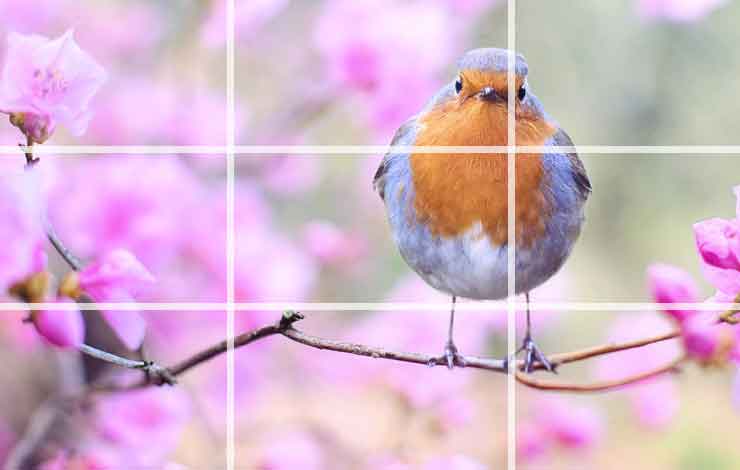
I once placed every subject in the center of the frame. That habit changed when I understood the rule of thirds. This guideline reshaped how I composed photographs almost immediately. Now, I pause and visualize the grid before pressing the shutter.
The rule divides an image into nine equal sections using two vertical and two horizontal lines. These lines guide subject placement with purpose. The grid gently trains your eye to look beyond the center and consider stronger visual balance.
B. Place the Subject
Placing a subject along a grid line often creates more energy than centering it. Intersections attract the viewer’s eye naturally. This approach adds movement, tension, and interest without changing camera settings or lenses.
I still center subjects when the scene demands it. The difference lies in choice, not restriction. Understanding the rule of thirds gives me confidence and options. I now position subjects where they feel strongest, not where habit once placed them.
2. Balance the Image
Balancing the image helps photographers create harmony by distributing visual weight so no part of the frame feels distracting or empty.
A. Seek Visual Balance
Once I understood the rule of thirds, I began to notice balance instinctively. I now slow down and study the frame before shooting. Balance helps the viewer feel comfortable and guides the eye naturally through the photograph.
Visual balance comes from shapes, tones, colors, and subject placement. A large subject may need a smaller element to offset it. When balance feels right, the image holds attention and feels easy to view.
B. Adjust Your Position
Achieving balance often requires movement, not new gear. I walk around the scene and test angles patiently. A small step left or right can change the entire composition.
Sometimes I lower the camera or raise it slightly. Other times I wait for an element to enter the frame. These choices help me control balance creatively and intentionally. Well-balanced images invite comments because viewers sense order and purpose.

3. Natural Lines
Natural lines guide the viewer’s eye through an image and add depth, direction, and visual flow to a photograph.
A. Notice Leading Lines
As I studied composition, my photography changed quickly. I began to notice lines shaping every scene. These lines invite the viewer into the image and encourage the eye to travel with purpose.
Roads, fences, rivers, and shorelines often lead the eye naturally. Tree rows and mountain ridges do the same. When I recognize these lines, I use them to create depth and visual movement.
B. Use Lines Creatively
Natural lines appear everywhere when you slow down and look carefully. I walk the scene and search for lines that strengthen the composition. Movement helps me discover the strongest angle.
I place lines to point toward the main subject or into the distance. This approach adds interest and scale. Strong lines transform ordinary landscapes into images that feel inspiring and thoughtfully composed.

4. Depth of Field
I found depth of field to be a fascinating subject and a vital part of photography. Shallow depth of field works well for portraits and close-ups, while large depth of field suits landscapes. Learning the basics of depth of field greatly improved my photographic skills.
What is depth of field? Depth of field refers to the sharp, clear area around the subject in an image. Shallow depth of field keeps the subject sharp while blurring the background or foreground. Large depth of field keeps most of the image sharp, which matters greatly in landscape photography.
It took me some time to understand how to control depth of field. I soon learned that three elements shape it: aperture settings, lens focal length, and shooting distance from the subject.
A. The Aperture Setting
I owned a digital camera for years without realizing I could change the aperture. Simply put, a wider aperture lets in more light. Smaller numbers like f/1.4 allow more light and help create shallow depth of field.
Stopping down the aperture uses larger numbers like f/22 and lets in less light. This setting increases depth of field and keeps more of the image sharp. Shallow depth of field blurs backgrounds, while larger depth of field sharpens the entire scene. Experimenting with aperture settings teaches this best.
B. The Focal Length of the Lens
Focal length strongly affects depth of field. Landscape photographers often use wide-angle lenses such as 14mm, 20mm, or 24mm. These lenses naturally produce greater depth of field.
When I use a 20mm lens at f/8 and compare it to a 50mm lens at f/8, the 20mm creates more depth. The 50mm produces a shallower effect. Hands-on experience with different lenses reveals how focal length shapes depth of field.
C. The Shooting Distance
I own a lens suited for portrait photography and used it at my daughter’s graduation. To blur the background, I moved closer to the subject. When I stepped back, the depth of field increased.
Shooting distance clearly influences depth of field. Try using an 80mm or 100mm lens and move toward and away from your subject. You will quickly see how distance changes background blur and image sharpness.


5. Framing the Photograph
Framing the photograph uses natural elements to surround the subject and draw attention to the main point of interest.
A. Find Natural Frames
When I shoot landscapes, I search for elements that frame the scene naturally. Tree trunks, branches, doorways, or rocks often work well. These elements guide the viewer’s eye toward the subject and add depth.
I move slowly and scan the edges of the frame. Natural frames help scenes feel intentional and complete. Once you train your eye, these framing opportunities appear everywhere.
B. Use Frames Creatively
Framing often requires movement and patience. I walk around the scene and test different angles. A small step can reveal a stronger frame.
Natural frames add context and visual interest without distracting from the subject. These composition choices reduce missed shots and improve consistency. The more I apply framing, the fewer photographs I delete and the stronger my images become.
Conclusion
Great photographs rarely happen by accident. Composition shapes how viewers experience an image. The five guidelines show how placement, balance, lines, depth, and framing work together. These principles help photographers move beyond snapshots and create images with purpose and impact.
Applying these guidelines changes how you see every scene. You slow down, observe carefully, and choose stronger angles. You begin to notice balance, leading lines, and natural frames instinctively. Over time, these habits improve consistency and reduce missed opportunities in the field.
Now it is time to practice deliberately. Take your camera and revisit familiar locations. Apply one guideline at a time and study the results. Review your images and refine your approach. With patience and repetition, these composition skills will strengthen your creative vision and confidence.

iPhone Photography Accessories
Frequently Asked Questions (FAQ)
Q: What are the basic composition rules in photography?
A: The basic composition rules include the rule of thirds, balancing the image, using natural lines, controlling depth of field, and framing the subject. These guidelines help photographers create clear, engaging images that guide the viewer’s eye and strengthen visual impact.
Q: Why is composition important in photography?
A: Composition determines how viewers experience a photograph. Strong composition directs attention, creates balance, and adds meaning to a scene. Without good composition, even sharp, well-exposed photos can feel flat or confusing to the viewer.
Q: How does the rule of thirds improve photos?
A: The rule of thirds improves photos by placing subjects off center. This placement creates balance, movement, and visual interest. It encourages photographers to think beyond the middle of the frame and explore stronger compositional choices.
Q: What are leading lines in photography composition?
A: Leading lines are natural or man-made lines that guide the viewer’s eye through an image. Roads, fences, rivers, and shadows often act as leading lines. They add depth, direction, and structure to photographs.
Q: How can beginners improve composition skills quickly?
A: Beginners can improve composition by slowing down, studying scenes carefully, and practicing one guideline at a time. Reviewing images, experimenting with angles, and analyzing strong photographs helps train the eye and build confidence faster.
Bonus: What Are the Most Common Composition Mistakes Beginners Make?
Beginners often place the subject in the center of every frame without considering balance or visual flow. They ignore the rule of thirds and miss opportunities to create movement. Many also rush the shot and fail to check distracting edges, cluttered backgrounds, or uneven horizons.
Another common mistake involves ignoring light, lines, and depth. Beginners overlook leading lines and natural frames that strengthen composition. They also rely on wide apertures without intention or keep everything sharp without purpose. Slowing down, observing carefully, and making deliberate choices quickly improves compositional results.
Bonus: When Should You Break Photography Composition Rules?
Photography composition rules exist to guide strong visual storytelling, not to restrict creativity. You should break these rules when the subject demands emphasis or symmetry. Centering a subject, for example, can strengthen portraits, reflections, or architectural scenes when balance and intent support the choice.
You should also break composition rules after you understand them fully. Experience teaches when a scene benefits from tension, imbalance, or simplicity. Strong photographers make deliberate decisions, not accidental ones. Intent, clarity, and message should always guide when and why you break a composition rule.
Bonus: How Does Composition Affect Landscape Photography?
Composition shapes how viewers experience a landscape photograph. Strong composition guides the eye through the scene using balance, lines, and depth. Thoughtful placement of elements creates scale and draws attention to the main subject. Without clear composition, landscapes often feel flat or confusing.
In landscape photography, composition helps communicate mood and perspective. Foreground interest adds depth, while leading lines create movement. Framing and balance organize complex scenes. When photographers apply composition intentionally, landscapes feel immersive, purposeful, and visually compelling.