
5 Tips For Blue Sky Photos explains how photographers capture richer blue skies by controlling light direction, timing, exposure, foreground balance, and filter use. These tips focus on practical decisions in the field, not complex gear or settings.

Key Takeaways – 5 Tips For Blue Sky Photography
- Choose light direction carefully to deepen blue skies and reduce glare before adjusting camera settings.
- Time your shoots wisely, because early morning and late afternoon produce richer sky color and softer contrast.
- Use exposure compensation thoughtfully to protect highlights and prevent blue skies from turning pale or washed out.
- Add foreground interest intentionally to balance bright skies and guide the viewer’s eye through the frame.
- Apply polarizing filters with care, especially on wide angle lenses, to avoid uneven or unnatural sky color.
5 Tips For Blue Sky Photos
People often ask, “How do you capture rich blue skies with a digital camera?” You see beautiful blue skies every day, yet my photos often look pale or washed out. This problem frustrates many beginners and can make photography feel confusing or discouraging.
This article explains why blue skies lose color and how to fix that problem. You will learn how light, timing, and simple camera choices work together in real shooting situations. Each tip focuses on things you can control without needing advanced skills or expensive gear.
When I photograph blue skies, I rely on a few basic principles. These ideas guide my timing, position, and exposure choices. With practice, you will quickly learn what works and gain confidence behind the camera.
1. Use Light Direction Wisely
Light direction strongly affects sky color and brightness, so choosing the right shooting angle helps you capture deeper blues with better contrast.
A. Face the Sun Angle
When the sun sits to your side or slightly behind you, the sky often looks more blue and less bright. This position reduces glare and helps your camera handle bright light more easily.
I slowly turn my body and watch the sky change on the screen. Even small changes in position can turn a dull sky into a cleaner, stronger blue background.
B. Shoot Away From Sun
When you point your camera directly toward the sun, the sky often loses color and detail. Strong light creates glare and makes it harder for the camera to record deep blue tones.
I try to keep the sun off to one side whenever possible. This simple habit makes exposure easier and gives you better control over sky color and contrast.
2. Use Timing For Richness
The time of day has a big effect on sky color, contrast, and mood, often more than camera settings or equipment choices.
A. Shoot During Golden Hour
Early morning and late afternoon light produces richer blue skies with softer contrast. The low sun angle reduces harsh brightness and helps the sky keep its colour.
I plan shoots around sunrise or sunset whenever I can. These times often produce better results with less effort and more natural-looking skies.
B. Avoid Midday Harshness
Midday light often washes color out of the sky and increases glare. The high sun creates strong contrast and pushes bright areas toward white.
When I must shoot at midday, I look for light cloud cover or shaded viewpoints. These conditions soften the light and help the sky regain color and depth.
3. Use Foreground Interest Creatively
Strong foreground elements add depth, balance bright skies, and help guide the viewer’s eye through the image.
A. Add Foreground Anchors
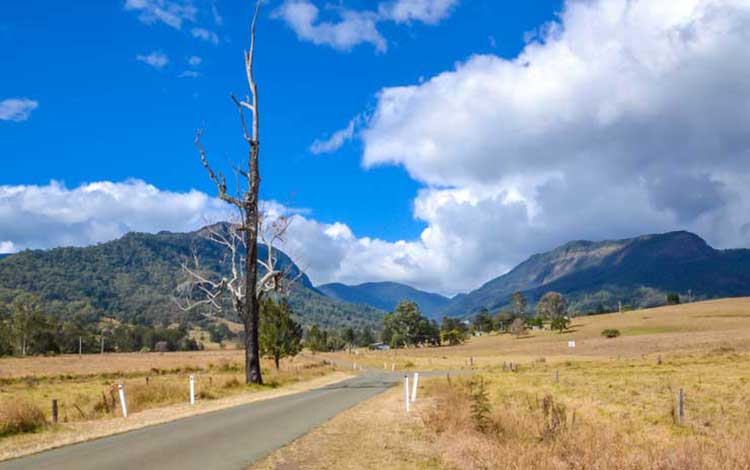
Foreground objects give the sky something to work with and prevent the photo from feeling empty. Rocks, trees, fences, or roads help show scale and location.
I often step closer to the foreground and lower my shooting angle slightly. This small change adds depth and keeps the sky from taking over the entire frame.
B. Align Foreground with Sky
Foreground elements should support the sky, not distract from it. Busy shapes or strong colors can pull attention away from clean blue tones above.
I look for simple lines or gentle textures that match the mood of the sky. This balance helps the image feel calm, natural, and well planned.
4. Use Exposure Compensation Thoughtfully
Exposure compensation helps you control brightness and protect blue sky color before highlights become too bright.
A. Adjust for Bright Skies
Bright skies often trick the camera into overexposing the photo. When that happens, blue skies look pale and lose detail.
I usually dial in a small amount of negative exposure compensation. This simple adjustment helps keep highlights under control and preserves sky color.
B. Check Histogram Often
The histogram shows how bright your photo is, especially in the highlights. If the graph pushes hard to the right, the sky may lose detail.
I check the histogram after taking a shot and adjust if needed. This habit helps keep skies clean and balanced as light changes.
5. Use Polarizing Filters Carefully
A polarizing filter can deepen blue skies and reduce glare, but careful use keeps colors looking natural.
A. Control Filter Strength
A polarizing filter works best when the sun sits to the side of your lens. At this angle, it darkens the sky and reduces reflections naturally.
I rotate the filter slowly and watch the sky change on the screen. Stopping at the right point keeps the sky blue without looking too dark.
B. Watch Wide Angle Effects
Wide angle lenses can cause uneven sky color when using a polarizing filter. One part of the sky may look dark while another looks light.
When I notice this effect, I reduce the filter strength or remove it. This choice keeps the sky smooth and realistic.
Conclusion
Great blue sky photos come from understanding light, timing, and exposure rather than buying new equipment. When you control these basics, your skies look more natural and balanced.
You can apply these tips on any clear day by watching the sun, adjusting exposure, and choosing the right time to shoot. Small changes often lead to big improvements.
Take your camera outside and practice these ideas on your next shoot. Move around, experiment with timing, and review your photos so each session builds skill and confidence.

iPhone Photography Accessories

Frequently Asked Questions (FAQ)
Q: Why do my blue sky photos look white or washed out?
A: Blue skies look white when the camera overexposes bright highlights. Cameras often meter for darker foregrounds and blow out the sky. Use negative exposure compensation, watch your histogram, and shoot with the sun at an angle to preserve blue color and detail.
Q: What time of day is best for blue sky photography?
A: Early morning and late afternoon produce the richest blue skies. The lower sun angle reduces glare and harsh contrast. Midday light often flattens color and washes out skies, especially on clear days with no cloud cover.
Q: Does a polarizing filter really make skies bluer?
A: Yes, a polarizing filter can deepen blue skies and reduce glare when used correctly. It works best when the sun sits about ninety degrees from your lens. Overuse, especially with wide lenses, can create uneven or unnatural sky color.
Q: How much exposure compensation should I use for blue skies?
A: Start with minus one third to minus one stop of exposure compensation. Adjust based on the brightness of the sky and histogram feedback. The goal is to protect highlights while keeping the scene natural and balanced.
Q: Do camera settings matter more than composition for blue skies?
A: Composition matters just as much as settings. Light direction, timing, and foreground elements influence sky color more than camera models. Strong foreground interest helps balance bright skies and gives the image depth and visual purpose.
Bonus: What is Golden Hour in Photography?
Golden Hour refers to the short time after sunrise and before sunset when the sun sits low in the sky. During this time, light looks softer and warmer, with gentle shadows.
Photographers like Golden Hour because it reduces harsh contrast and glare. This light helps skies keep stronger blue tones and makes scenes easier to photograph.
Bonus: What Makes Golden Hour Best for Blue Sky Photos?
Golden Hour works well for blue sky photos because the low sun creates softer, directional light. This reduces glare and helps cameras capture deeper blue tones.
Light also travels through more atmosphere during this time, which enriches sky colour. Photographers gain better balance without heavy filters or adjustments.
Bonus: Can You Capture Blue Skies Without a Polarizing Filter?
Yes, you can capture blue skies without a polarizing filter by controlling light direction and exposure. Shooting with the sun to your side reduces glare naturally.
Timing also helps. Early morning and late afternoon light protect highlights and make blue skies easier to capture without filters.
Bonus: Why Does Light Direction Matter More Than Camera Settings for Blue Skies?
Light direction controls glare and contrast before the camera records the image. When the sun sits to the side, the sky keeps more colour and detail.
Camera settings help fine tune exposure, but they cannot fix poor light direction. Choosing the right angle improves results before touching any settings.
Bonus: Why Are Blue Sky Photos So Impressive?
Blue sky photos stand out because strong color adds clarity and calm to an image. Clean blue tones create contrast and make scenes feel open.
A rich sky also shows good timing and careful choices. Viewers often notice when a photo feels natural and well balanced, even if they cannot explain why.