
7 Tips For Bokeh Photography explains how photographers create pleasing background blur by controlling lens choice, aperture, distance, and background simplicity. It focuses on blur quality rather than blur strength, helping images feel clean, focused, and visually balanced.

Key Takeaways – What is Bokeh Photography?
- Bokeh describes blur quality, not blur amount. Smooth bokeh depends on how out-of-focus areas render, not just how blurred they appear.
- Good bokeh supports the subject. Pleasing bokeh reduces distraction and guides viewer attention toward the main subject.
- Lens choice strongly affects bokeh. Fast prime lenses often produce smoother, more consistent background blur than slower zooms.
- Aperture shape influences bokeh highlights. Rounded aperture blades create softer, circular highlights, especially when shooting wide open.
- Aperture controls bokeh strength. Wider apertures increase background blur, but slightly stopping down can improve sharpness.
- Camera settings support bokeh quality. Balanced ISO and shutter speed help maintain exposure without harming background smoothness.
- Background choice matters most. Simple, distant backgrounds improve bokeh more than extreme camera settings.
7 Tips For Bokeh Photography
Bokeh photography describes the visual quality of out-of-focus areas, especially how backgrounds blur behind a sharp subject. Photographers find bokeh appealing because it simplifies scenes, reduces distraction, and draws attention where it matters most. Soft backgrounds help images feel calm, intentional, and visually clear, even when shooting in busy environments.
This article explains how bokeh works and why some images show smooth blur while others look harsh. You will learn how lenses influence bokeh, how aperture and camera settings affect background rendering, and how small decisions improve subject separation. These ideas matter because bokeh quality depends more on understanding than expensive gear.
Before you start shooting, take a moment to study the background, available light, and subject distance. As you read, think about how you position subjects, choose lenses, and control settings. These practical habits will guide you through each section that follows.
1. Bokeh Photography Fundamentals
This section explains what bokeh is, how it forms, and why understanding it helps photographers create stronger subject separation and visual impact.
A. Understand Bokeh Definition
Bokeh describes the visual quality of out-of-focus areas, not simply how blurry a background appears. Many photographers confuse bokeh with shallow depth of field, but the two ideas are related rather than identical. Depth of field controls how much blur exists, while bokeh describes how that blur looks. Smooth edges, gentle transitions, and soft highlights define pleasing bokeh.
In real shooting situations, bokeh becomes noticeable when light sources or textures fall outside the focus plane. Streetlights, foliage, reflections, and distant highlights reveal bokeh characteristics clearly. Lens design, aperture shape, and subject distance all influence how these areas render. Understanding this distinction helps you judge backgrounds before pressing the shutter, not after reviewing images.
B. Understanding Bokeh Purpose
Photographers use bokeh to separate the subject from the background and guide viewer attention. Strong bokeh reduces visual competition and keeps the eye where it belongs. Portrait, wildlife, and close-up photographers rely on this effect to simplify busy environments. Good bokeh supports the subject rather than calling attention to itself.
In practice, bokeh helps you control mood and clarity within a frame. Soft backgrounds create calm images, while nervous bokeh can add tension or distraction. When you understand bokeh’s purpose, you make better choices about lens selection, shooting distance, and background placement. These decisions improve image readability and strengthen storytelling without relying on editing tricks.
2. Bokeh Quality Indicators
This section explains how to recognize pleasing versus distracting bokeh so you can evaluate background blur before and during a shoot.
A. Identifying Smooth Bokeh
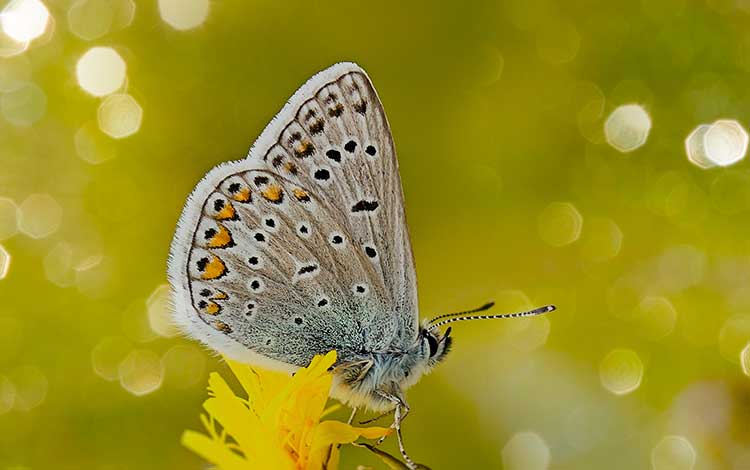
Smooth bokeh appears soft, even, and gentle, with blurred areas that fade gradually without hard edges. Highlights look rounded, transitions feel natural, and background textures lose definition without becoming messy. You often see smooth bokeh when lenses render light evenly and maintain consistent blur across the frame. This quality helps images feel calm and visually balanced.
In practice, smooth bokeh works best when backgrounds sit well behind the subject. Trees, foliage, distant lights, and textured walls often blur cleanly at wider apertures. I look for backgrounds with simple shapes and consistent tones before adjusting camera settings. This habit saves time and improves results more than relying on aperture alone.
B. Identifying Harsh Bokeh
Harsh bokeh looks nervous and distracting, with sharp edges, bright outlines, or uneven blur patterns. Out-of-focus highlights may appear angular or ring-shaped, and backgrounds can feel busy rather than soft. This type of bokeh often pulls attention away from the subject instead of supporting it. High-contrast backgrounds exaggerate this effect quickly.
You will often notice harsh bokeh when shooting through tangled branches, wire fences, or high-contrast foliage. Some lenses also exaggerate edge contrast in out-of-focus areas. When I see these conditions, I change my shooting angle, increase subject distance from the background, or stop down slightly. Small adjustments usually improve background rendering significantly.

3. Bokeh Lens Selection
This section explains how lens choice influences bokeh character, strength, and overall background rendering.
A. Choosing Fast Lenses
Fast lenses create stronger background blur because wide apertures reduce depth of field. Lenses with maximum apertures like f/1.8 or f/1.4 separate subjects more easily than slower zooms. This separation helps backgrounds dissolve smoothly when shooting portraits, close-ups, or detail shots. Fast lenses also perform better in low light, which often improves bokeh visibility.
In real use, fast lenses reward careful focusing and thoughtful composition. Small focus errors become obvious at wide apertures. I often slow down, focus deliberately, and confirm subject distance before shooting. This discipline produces cleaner subject isolation and more consistent results than shooting quickly and correcting later.
B. Choosing Prime Lenses
Prime lenses often deliver smoother bokeh because they use simpler optical designs. Fewer elements usually create more consistent blur and fewer harsh edges. Many primes also feature rounded aperture blades, which help maintain circular highlights when stopped down slightly. This consistency improves background rendering across different scenes.
From experience, primes encourage intentional shooting. Fixed focal lengths force you to move, observe backgrounds, and adjust angles carefully. These habits improve bokeh quality more than switching lenses constantly. The lens becomes predictable, and your creative decisions become faster and more confident.

4. Bokeh Shape Variations
This section explains why bokeh highlights appear round, oval, or angular depending on lens construction and aperture design.
A. Exploring Aperture Blades
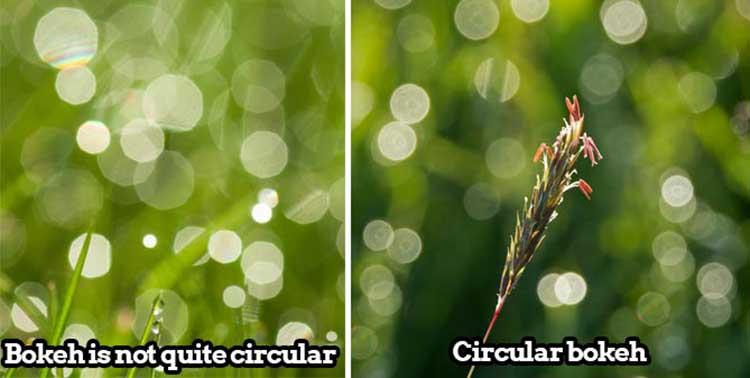
Aperture blades shape how out-of-focus highlights appear in an image. Lenses with more rounded blades produce circular highlights, which most photographers find pleasing. Fewer or straighter blades create polygon shapes, especially when stopping down. These shapes become visible around lights and bright reflections.
In practice, I watch how highlights change as I adjust aperture. Slightly stopping down can improve sharpness while keeping bokeh round if the blade design supports it. Understanding your lens behavior helps you choose apertures that balance clarity and background quality.
B. Exploring Lens Design
Lens design affects bokeh shape beyond aperture blades alone. Some lenses stretch highlights near frame edges, creating oval or “cat’s eye” shapes. Others introduce outlining or uneven brightness. These traits vary widely, even between lenses with similar specifications.
I test lenses by photographing lights and foliage at different distances. This testing reveals how bokeh behaves across the frame. Knowing these tendencies helps me position subjects centrally or creatively use edge distortion when it supports the image mood.
5. Bokeh Aperture Techniques
This section explains how aperture choices control background blur strength while maintaining subject sharpness.
A. Using Wide Apertures
Wide apertures reduce depth of field and strengthen background blur. They work best when the subject sits close to the camera and far from the background. This distance difference exaggerates blur and improves separation. Portraits, flowers, and details benefit greatly from this approach.
In the field, I avoid always shooting wide open. Some lenses lose contrast or sharpness at maximum aperture. I test my lenses to find their strongest balance point. Often, f/2 or f/2.8 delivers excellent bokeh with improved subject clarity.
B. Balancing Sharpness Carefully
Stopping down slightly can improve sharpness while keeping bokeh attractive. This balance matters when eyes, textures, or fine details must remain crisp. A small aperture change often strengthens image quality more than extreme blur does.
I adjust aperture based on subject movement and focus precision. For moving subjects, a little extra depth of field saves missed shots. This flexibility improves consistency and keeps bokeh working for the image, not against it.
6. Bokeh Camera Settings
This section explains how exposure settings support wide apertures without sacrificing image quality.
A. Managing ISO Levels
ISO adjustments help maintain exposure when shooting with wide apertures. Lower ISO preserves image quality and smoother tonal transitions. Higher ISO can introduce noise, which reduces the smoothness of blurred areas. Noise becomes noticeable in backgrounds first.
I keep ISO as low as conditions allow and rely on aperture and shutter speed first. When light drops, I increase ISO carefully rather than closing the aperture. This approach preserves bokeh quality and overall image feel.
B. Controlling Shutter Speed
Shutter speed balances exposure and motion control when using wide apertures. Fast speeds prevent overexposure in bright light and freeze subject movement. Slower speeds allow lower ISO in dim environments but require steady technique.
In practice, I adjust shutter speed constantly as light changes. I watch highlights closely to avoid clipping, especially with bright backgrounds. Good bokeh loses impact if exposure distracts from the subject.
7. Bokeh Common Mistakes
This section highlights frequent errors that limit bokeh effectiveness and weaken image clarity.
A. Avoiding Busy Backgrounds
Busy backgrounds reduce bokeh impact, even with wide apertures. Overlapping branches, high-contrast textures, and cluttered scenes remain distracting when blurred. These elements compete with the subject visually.
I scan backgrounds before adjusting settings. A small step left or right often simplifies the scene. This habit improves bokeh more reliably than opening the aperture further.
B. Avoiding Incorrect Focus
Incorrect focus ruins bokeh effectiveness immediately. Wide apertures demand precise focusing, especially on eyes or critical details. Missed focus draws attention away from the intended subject.
I use single-point autofocus and confirm focus placement deliberately. For static subjects, I slow down and recheck focus. Strong bokeh only works when the subject remains clearly defined and sharp.
Conclusion
Bokeh photography depends on understanding blur quality, not just using wide apertures. Strong bokeh comes from thoughtful lens choice, careful background selection, and deliberate camera settings. When these elements work together, images feel cleaner, more focused, and visually balanced.
You can apply these ideas by slowing down and studying the background before shooting. Adjust your distance, refine your aperture choice, and watch how light shapes out-of-focus areas. Small changes in position and settings often improve bokeh more than changing equipment.
Take time to practice with one lens in different environments. Review how backgrounds render at various apertures and distances. This hands-on approach builds confidence and helps you create bokeh that supports your subject every time.
Frequently Asked Questions (FAQ)
Q: What is bokeh in photography?
A: Bokeh refers to the visual quality of out-of-focus areas in a photograph, especially backgrounds and highlights. It describes how blur looks, not how much blur exists. Smooth bokeh features soft edges and gentle transitions that support subject separation and visual clarity.
Q: What lens is best for bokeh photography?
A: Lenses with wide maximum apertures, such as f/1.8 or f/1.4, produce stronger and smoother bokeh. Prime lenses often outperform zoom lenses because their simpler optical designs render out-of-focus areas more evenly and predictably in real shooting conditions.
Q: Does aperture alone control bokeh?
A: Aperture affects bokeh strength, but it does not control bokeh quality by itself. Subject distance, background distance, lens design, and aperture shape all influence how blur appears. Strong bokeh comes from combining these factors, not from shooting wide open alone.
Q: Why does my bokeh look harsh or busy?
A: Harsh bokeh often appears when backgrounds contain high contrast, clutter, or sharp textures. Some lenses also emphasize hard edges in blur. Changing your shooting angle, increasing background distance, or choosing simpler backgrounds usually improves bokeh more than changing camera settings.
Q: Can crop-sensor cameras produce good bokeh?
A: Crop-sensor cameras can produce excellent bokeh with the right technique. Using fast lenses, getting closer to the subject, and placing backgrounds farther away increases background blur. While full-frame cameras blur more easily, composition and distance matter more than sensor size.
BONUS: What is the difference between depth-of-field and bokeh photography?
Depth of field describes how much of a scene appears sharp from front to back. Aperture, focal length, sensor size, and shooting distance control this zone of focus. A shallow depth of field keeps only a small area sharp, while a deep depth of field keeps more of the scene in focus.
Bokeh describes the visual quality of the out-of-focus areas created by depth of field. It focuses on how blur looks, not how much blur exists. Smooth bokeh shows soft edges and gentle transitions, while harsh bokeh looks busy and distracting. Depth of field creates blur; bokeh defines its character.
BONUS: How to Create Visible Bokeh Shapes (Not Just Blur)?
To create visible bokeh shapes, you need distinct background highlights rather than flat tones. Point light sources, reflections, or sunlight filtering through leaves produce clear shapes when they fall outside the focus plane. Place these highlights well behind your subject and use a wide aperture. Distance exaggerates shape visibility more than aperture alone.
Lens design and aperture shape determine how bokeh highlights appear. Lenses with rounded aperture blades produce circular shapes, while fewer blades create polygon patterns. Shoot wide open or just slightly stopped down to preserve shape definition. Position highlights near the frame center for cleaner shapes and avoid cluttered backgrounds that break shape clarity.
BONUS: What are some background ideas to create visible bokeh shapes?
Visible bokeh shapes form best when the background contains small, bright highlights rather than flat surfaces. Streetlights, holiday lights, candles, and reflective surfaces work well. Sunlight filtering through trees also creates strong points of light. Place these elements far behind the subject to exaggerate shape size and separation.
You can also create bokeh shapes using everyday scenes. Water reflections, city traffic at night, or light through window blinds produce repeatable highlights. Move your position to control spacing and brightness. Simple backgrounds with consistent light sources produce clearer shapes than complex or cluttered scenes.
| Number | Main Point | Practical Tip | Meaning |
|---|---|---|---|
| 1 | Bokeh Photography Fundamentals | Place your subject closer and keep the background farther away. | Bokeh depends on distance relationships that control how backgrounds blur behind the subject. |
| 2 | Bokeh Quality Indicators | Look for smooth tones and soft transitions in out-of-focus areas. | Good bokeh appears gentle and supportive, while poor bokeh looks harsh and distracting. |
| 3 | Bokeh Lens Selection | Use fast prime lenses when possible for consistent background blur. | Lens design strongly influences how pleasing or distracting bokeh appears. |
| 4 | Bokeh Shape Variations | Watch how highlights change shape as you adjust aperture. | Aperture blades and lens optics shape the look of out-of-focus highlights. |
| 5 | Bokeh Aperture Techniques | Shoot wide, then stop down slightly if sharpness improves. | Aperture controls blur strength but must balance subject clarity. |
| 6 | Bokeh Camera Settings | Control exposure with shutter speed and ISO, not aperture alone. | Proper exposure settings preserve bokeh quality while maintaining image detail. |
| 7 | Bokeh Common Mistakes | Simplify backgrounds before changing camera settings. | Strong bokeh comes from thoughtful composition, not extreme settings or gear changes. |