
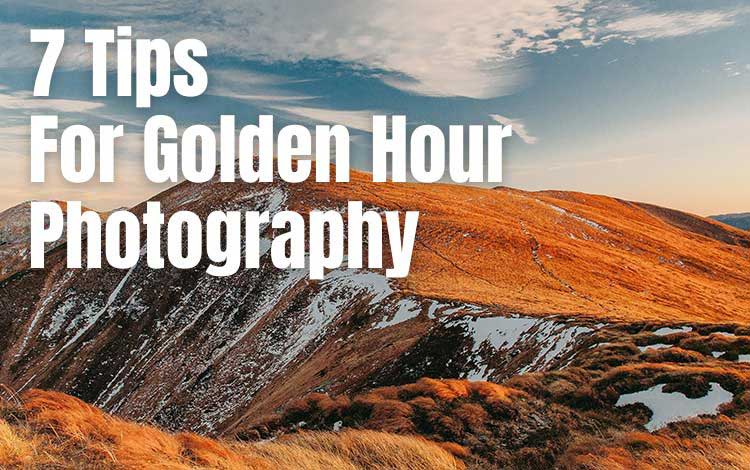
7 Tips For Golden Hour Photography explains how photographers use low-angle sunrise and sunset light to create warm color, soft contrast, and strong depth through deliberate planning, positioning, and exposure control.
Key Takeaways – Tips For Golden Hour Photography
- Golden hour photography uses low-angle sunlight to create warm color, soft contrast, and gentle shadows that improve depth, mood, and subject separation.
- Light direction changes quickly during golden hour, so moving your position deliberately helps control texture, highlights, and shadow placement within the frame.
- Planning locations, timing, and compositions before golden hour begins allows you to focus on light and creativity instead of rushed decisions.
- Manual exposure control and intentional white balance settings help preserve highlight detail and maintain natural golden tones as light fades.
- Practicing patience, avoiding overexposure, and staying after sunset often leads to the strongest and most refined golden hour images.
7 Tips For Golden Hour Photography
Golden hour photography refers to shooting shortly after sunrise or before sunset, when low-angled sunlight creates warm colour, soft contrast, and gentle shadows that flatter most subjects and scenes naturally.
Let’s examine how golden hour light behaves, how its direction changes quickly, and how preparation, composition, camera settings, and timing decisions directly affect the strength and consistency of our photographs.
As you move into the tips, focus on observing light first, adjusting your position deliberately, and making simple technical choices that support creative intent rather than interrupting the shooting process.
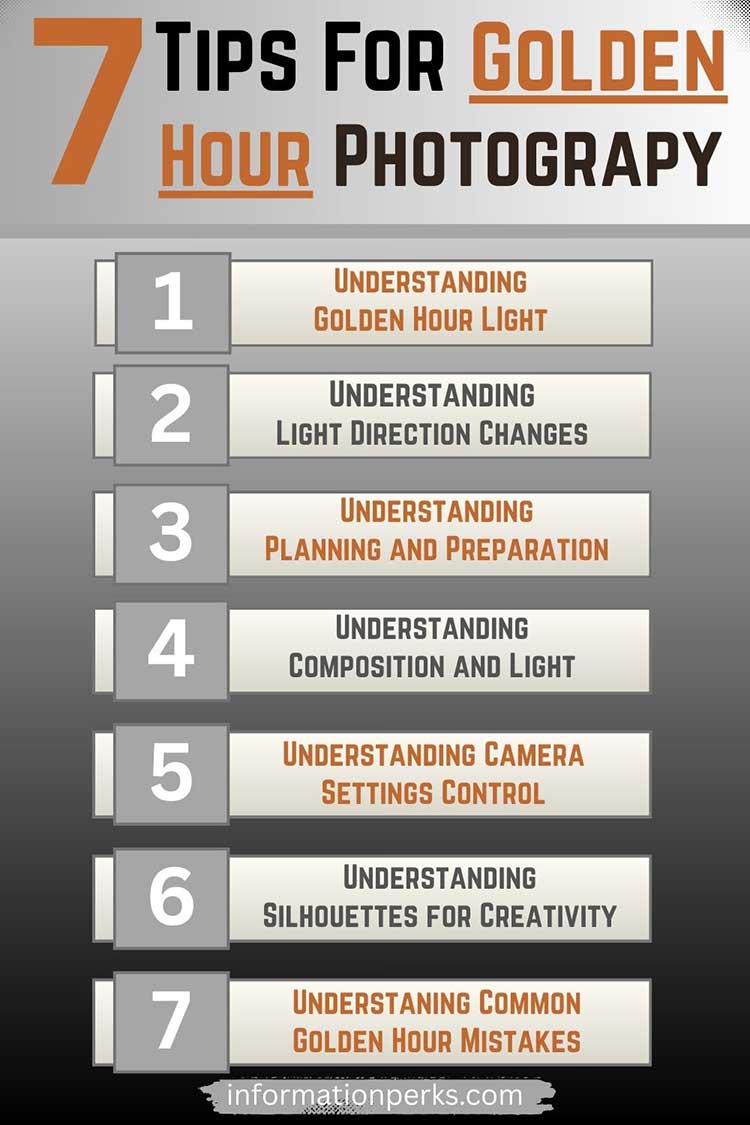
1. Understanding Golden Hour Light
This section explains why golden hour light behaves differently from midday light and how understanding its qualities helps photographers make better exposure, color, and composition decisions.
A. Understanding Warm Color Tones
Golden hour light contains a higher concentration of warm wavelengths because the sun sits low on the horizon and passes through more atmosphere. This shift produces golden, amber, and orange tones that add emotional warmth and visual richness to landscapes, portraits, and architectural scenes when used intentionally.
You should expose carefully during golden hour to preserve these warm tones without pushing them into unnatural saturation. Slight underexposure often protects highlights while maintaining color depth, especially when shooting RAW and adjusting contrast and color balance during post-processing.
B. Understanding Soft Light Quality
Golden hour light spreads gently across a scene, creating softer transitions between highlights and shadows than harsh midday sun. This softness reduces contrast, smooths textures, and helps subjects appear more three-dimensional without strong shadow edges dominating the frame.
You can use this soft light to photograph people, nature, and urban scenes with greater control and flexibility. Faces show fewer harsh shadows, reflective surfaces appear calmer, and fine details hold together better across the tonal range, making exposure decisions more forgiving.
2. Understanding Light Direction Changes
This section explains how shifting sun angles during golden hour affect contrast, texture, and subject emphasis, helping photographers position themselves and their subjects more intentionally.
A. Understanding Side Light Effects
Side light occurs when the sun strikes a subject from an angle, creating shadows that reveal texture, shape, and surface detail. During golden hour, this angled light adds depth to landscapes, buildings, and natural features without producing harsh contrast or distracting shadow edges.
You can strengthen compositions by moving laterally and watching how light skims across surfaces as the sun lowers. Small changes in shooting position often transform flat scenes into layered images with stronger visual interest and clearer subject separation.
B. Understanding Backlight Opportunities
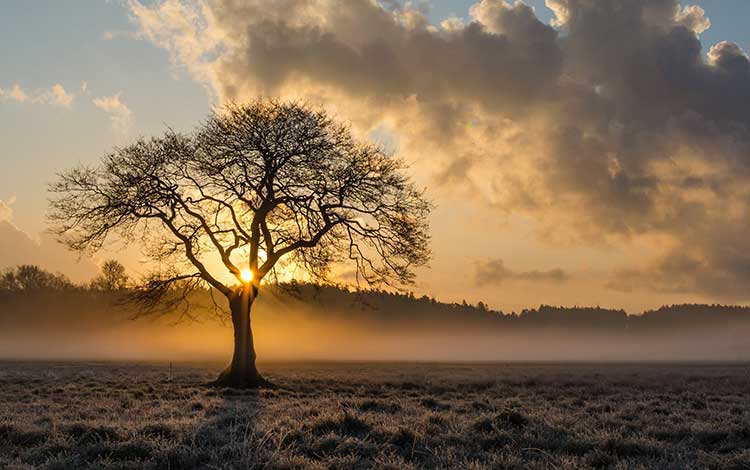
Backlight places the sun behind your subject, producing rim light, glow, and atmospheric effects that feel natural during golden hour. This light direction works especially well for foliage, people, dust, mist, and water, where light passing through adds softness and mood.
You should expose carefully when working with backlight to protect highlights while allowing shadows to fall naturally. Using spot metering, exposure compensation, or manual mode helps maintain control as brightness shifts rapidly near sunset.
3. Understanding Planning and Preparation
This section explains why preparation matters during golden hour and how planning ahead allows photographers to respond calmly and creatively as light changes quickly.
A. Understanding Time and Location
Golden hour lasts only a short time, so knowing exactly when and where the sun rises or sets improves efficiency and reduces rushed decision-making. Checking sun position apps, weather forecasts, and access points helps you arrive early and work with confidence.
You gain more flexibility when you scout locations beforehand and visualize compositions in advance. This preparation allows you to focus on light quality and timing instead of searching for angles while conditions change rapidly.
B. Understanding Scene Scouting
Scene scouting helps you identify foregrounds, backgrounds, and leading lines before light becomes critical. Walking the location earlier in the day reveals potential compositions that benefit from warm, low-angle light later.
When golden hour arrives, you can move smoothly between pre-visualized frames instead of reacting blindly. This approach leads to stronger compositions and reduces missed opportunities caused by hesitation or poor positioning.
4. Understanding Composition and Light
This section explains how thoughtful composition works together with golden hour light to guide the viewer’s eye and create balanced, engaging photographs.
A. Understanding Foreground Emphasis
Foreground elements gain strength during golden hour because warm light enhances texture and contrast near the camera. Rocks, grasses, roads, or architectural details help anchor the frame and lead the viewer into the scene.
You should position foreground elements where light strikes them at an angle, not flat-on. This placement increases depth and prevents the image from feeling shallow or dominated by background light alone.
B. Understanding Background Balance
Bright skies during golden hour can easily overpower the subject if composition lacks balance. You need to control how much sky appears and ensure it supports, rather than competes with, the main point of interest.
Lowering your viewpoint or reframing slightly often reduces empty space and improves visual flow. A balanced background helps maintain harmony between highlights, shadows, and subject placement.

5. Understanding Camera Settings Control
This section explains how deliberate camera settings help photographers manage exposure and color as golden hour light changes minute by minute.
A. Understanding Exposure Adjustments
Golden hour brightness drops steadily, requiring frequent exposure adjustments to maintain detail. You should watch the histogram and adjust shutter speed, aperture, or ISO gradually instead of relying on one static setting.
Manual mode or exposure compensation gives you better control when light shifts quickly. These adjustments prevent blown highlights and preserve shadow detail as contrast evolves throughout the session.
B. Understanding White Balance Choices
White balance influences how warm golden hour light appears in your final image. Auto white balance often neutralizes warmth, reducing the natural color that defines this time of day.
Setting daylight or cloudy white balance preserves warm tones more accurately in-camera. Shooting RAW gives additional flexibility, but intentional white balance choices improve consistency and reduce correction later.
6. Understanding Silhouettes for Creativity
This section explains how golden hour lighting conditions make silhouettes easier to create and visually striking when handled with purpose.
A. Understanding Subject Shape
Strong silhouettes rely on clear, recognizable shapes rather than fine detail. Subjects like trees, people, buildings, or ridgelines work best when their outlines remain simple and well-defined.
You should position yourself so the subject stands fully against a bright sky. Clean edges and separation improve readability and strengthen visual impact instantly.
B. Understanding Bright Background Control
Silhouettes form when you expose for the bright background instead of the subject. Metering for the sky forces the subject into shadow, creating bold contrast.
Spot metering or manual exposure helps you lock exposure as light shifts. This control ensures consistent results and prevents accidental mid-tone exposures that weaken silhouette strength.

7. Understanding Common Golden Hour Mistakes
This section highlights frequent mistakes photographers make during golden hour and explains how avoiding them improves consistency and image quality.
A. Understanding Overexposure Risks
Bright skies and reflective surfaces can clip highlights quickly during golden hour. Overexposure often removes color detail that cannot be recovered, even when shooting RAW.
You should slightly underexpose and monitor highlight warnings when available. Preserving highlight detail protects sky color and maintains tonal balance across the image.
B. Understanding Poor Timing Choices
Arriving late or leaving early often means missing the best light transitions. Many photographers stop shooting too soon, assuming golden hour ends at sunset.
Staying longer allows you to capture deeper colors, softer contrast, and early blue hour conditions. These moments often produce the most refined and atmospheric photographs.
Conclusion
Golden hour photography rewards photographers who understand light quality, direction, timing, and exposure, because these elements work together to shape mood, depth, and visual clarity in every frame.
You improve results when you plan ahead, observe how light moves across the scene, adjust camera settings deliberately, and compose with intention rather than reacting hurriedly as conditions change.
Take these tips into the field during your next sunrise or sunset session, slow down your decision-making, review your results carefully, and practice applying one improvement at a time until it becomes instinctive.
Frequently Asked Questions (FAQ)
Q: What is golden hour in photography?
A: Golden hour is the short period after sunrise and before sunset when the sun sits low, producing warm color tones, soft contrast, and gentle shadows that create flattering light for landscapes, portraits, and architectural photography.
Q: Why is golden hour light better than midday light?
A: Golden hour light feels softer and more directional than midday light, which reduces harsh shadows and blown highlights. This light adds depth, texture, and mood, making scenes appear more natural and visually engaging.
Q: How long does golden hour last?
A: Golden hour usually lasts between 30 and 60 minutes, depending on location, season, and latitude. Light changes quickly during this time, so planning ahead helps photographers capture the best moments efficiently.
Q: What camera settings work best for golden hour photography?
A: Golden hour photography works best with manual or semi-manual control, moderate apertures, careful highlight protection, and daylight or cloudy white balance to preserve warm tones as light intensity changes.
Q: What mistakes should photographers avoid during golden hour?
A: Common mistakes include overexposing bright skies, relying too heavily on automatic settings, arriving late, leaving early, and failing to adjust position as light direction changes throughout the session.
BONUS: What ISO should I use for golden hour?
Start golden hour photography at the lowest practical ISO, usually ISO 100 or 200, to preserve detail, colour depth, and smooth tonal transitions. Bright early golden hour light allows low ISO settings while maintaining fast enough shutter speeds for handheld shooting.
As light fades, raise ISO gradually only when shutter speed or aperture limits appear. Increase ISO in small steps to protect image quality, avoid unnecessary noise, and maintain consistent exposure as contrast and brightness change.
BONUS: What subjects work best for backlit golden hour photos?
Subjects with strong outlines, texture, or translucence work best for backlit golden hour photos because low-angle light creates glow, rim highlights, and separation from the background. People, trees, grasses, flowers, and ridgelines photograph well when their shapes read clearly against a bright sky.
Materials that allow light to pass through enhance the effect even more. Leaves, hair, fabric, mist, and dust catch warm light and add atmosphere, while simple backgrounds keep attention on shape, edge light, and mood.
BONUS: How can beginners practice golden hour photography effectively?
Beginners practice golden hour photography effectively by arriving early, observing how light changes, and experimenting with simple compositions before the best light appears. Start with one lens, use a stable shooting position, and focus on how warm tones and shadows interact across the scene.
Review images immediately after each session to identify exposure issues, highlight loss, or weak compositions. Practice adjusting position instead of changing settings constantly, and return to the same location repeatedly to understand how light direction shapes results.
BONUS: How do I use backlighting effectively during golden hour photography?
Backlighting works best during golden hour because the low sun creates soft glow, rim light, and gentle flare that add depth and atmosphere. Position the sun behind your subject and expose for the brightest part of the sky to preserve highlights and allow shadows to fall naturally.
Move slightly left or right to control flare and shape light around edges. Use spot metering or manual exposure to maintain consistency as brightness changes, and watch subject outlines carefully to keep shapes clear and intentional.