
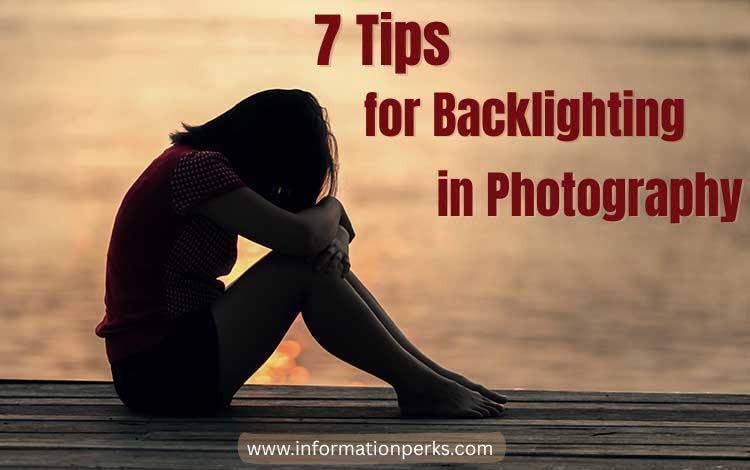
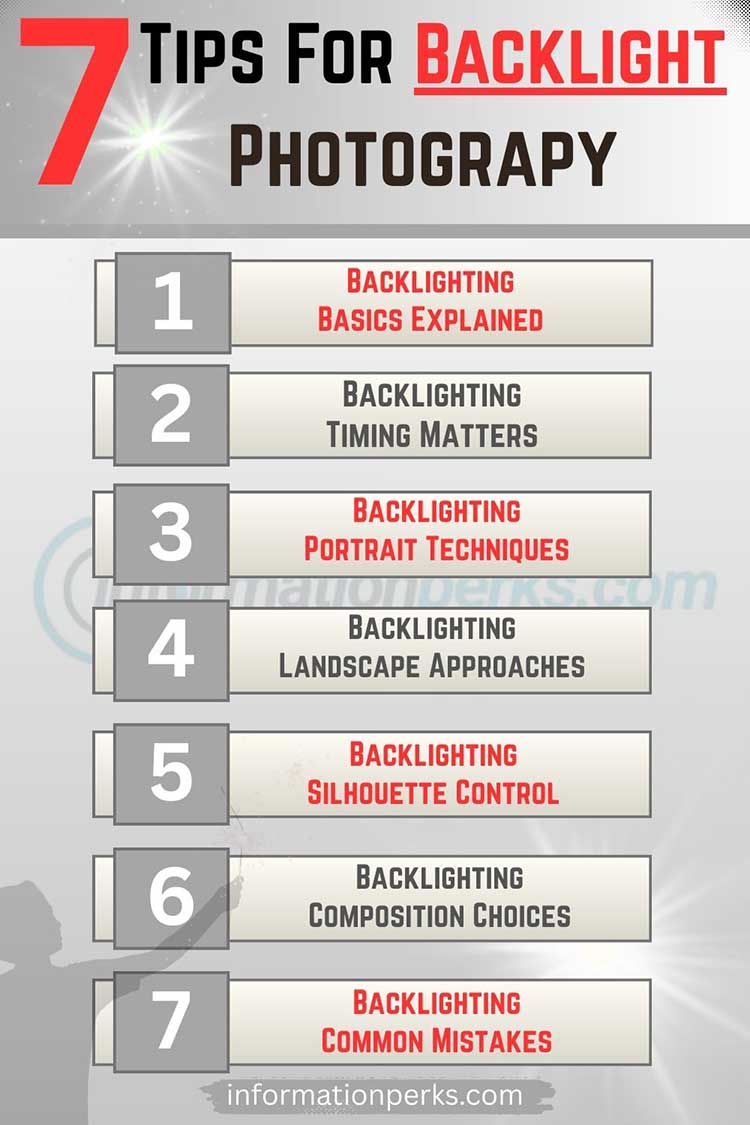
7 Tips For Backlighting in Photography explains how to use light placed behind a subject to create depth, mood, and separation. It focuses on timing, exposure control, and composition, helping photographers make intentional choices that turn challenging light into a creative advantage rather than a technical problem.
Key Takeaways – What is Backlighting in Photography?
- Backlighting places light behind the subject, creating glow, rim light, or silhouettes when exposure and positioning are intentional.
- Light direction matters more than camera settings, because small position changes control flare, contrast, and subject separation.
- Timing affects difficulty and results, with golden hour offering softer, more forgiving backlight than harsh midday sun.
- Backlit portraits benefit from edge light, which separates subjects from backgrounds and adds depth without heavy lighting.
- Landscapes backlit from behind emphasize atmosphere, shape, and scale rather than fine foreground detail.
- Strong silhouettes rely on clear shapes, clean edges, and exposure set for the brightest background.
- Simple compositions work best in backlighting, because high contrast quickly overwhelms busy scenes.
7 Tips For Backlighting in Photography
Backlighting places the light source behind your subject, aiming light toward the camera instead of onto the front of the scene. When you manage exposure and position carefully, backlighting creates glow, separation, atmosphere, and images that feel intentional rather than accidental.
In this article, I explain what backlighting really is, when it works best, and when you should avoid it. You will learn how to handle backlit landscapes, natural light portraits, and strong silhouettes while keeping control over exposure, shape, and visual clarity.
As you read on, focus less on settings and more on decisions. Backlighting rewards photographers who understand light direction, timing, and subject placement, and the following tips will help you see those choices clearly in real shooting situations.
1. Backlighting Basics Explained
This section explains how understanding light direction and exposure helps photographers control mood, contrast, and subject separation when shooting into the light.
A. Backlighting Direction Defined
Backlighting direction means positioning the main light source behind your subject so the light travels toward the camera. This placement creates rim light, glow, or silhouettes depending on angle and distance. I learned early that small movements matter, because shifting a few steps can change flare strength, edge definition, and overall balance in the frame.
When you shoot directly into the light, the scene gains atmosphere but loses contrast quickly. Angling the sun just off-axis often gives better control while preserving that backlit look. I regularly watch how light wraps edges, separates shapes, and guides the viewer’s eye before I commit to exposure or composition.
B. Backlighting Exposure Considered
Backlighting challenges exposure because the camera sees intense brightness before it sees the subject. If you trust automatic settings, faces darken or highlights blow out. I often switch to manual or exposure compensation so I can decide what matters most in the frame.
Metering for highlights protects detail in skies and bright edges, while lifting shadows later keeps results natural. In portraits, I expose for skin tones and accept brighter backgrounds when needed. Clear intent always beats technical perfection, especially when backlighting shapes mood more than detail.
What is metering in photography and why spot metering is preferred in backlight photography?
Metering in photography measures light to help the camera calculate exposure. It evaluates brightness and guides shutter speed, aperture, and ISO decisions. In backlighting, metering becomes critical because bright backgrounds easily mislead the camera and cause underexposed subjects or blown highlights.
Spot metering works best for backlight photography because it reads light from a small, precise area. This control lets you meter for highlights or faces instead of the entire frame. By choosing exactly where the camera measures light, you maintain creative control and consistent exposure in difficult lighting.

2. Backlighting Timing Matters
This section explains why choosing the right time of day makes backlighting easier to control and more visually effective.
A. Backlighting Golden Hour Use
Golden hour offers the most forgiving conditions for backlighting because the sun sits low and spreads softer light. Highlights roll off gently, colors warm naturally, and contrast stays manageable. I often plan backlit shots for this window because it allows creative freedom without fighting harsh exposure extremes.
During golden hour, you can shoot directly into the sun without overwhelming the sensor. Edge light looks smoother, flare behaves predictably, and subjects separate cleanly from backgrounds. I still watch angles carefully, but timing does much of the hard work, letting composition and subject choice take priority.
B. Backlighting Midday Challenges
Midday backlighting introduces strong contrast, hard edges, and aggressive flare that demand deliberate control. The sun sits high, so light strikes subjects more directly and creates deep shadows quickly. Without careful positioning, faces darken and highlights clip before you notice.
When I must shoot midday backlighting, I simplify scenes and look for bold shapes. I often hide the sun behind the subject, a tree, or a building to reduce glare. Precise exposure choices and thoughtful framing become essential, because midday light punishes hesitation and rewards intention.
3. Backlighting Portrait Techniques
This section explains how backlighting can enhance portraits by adding separation, mood, and visual depth when handled with care.
A. Backlighting Hair Light Control
Backlighting often works best in portraits when it creates a subtle rim of light around hair and shoulders. This edge light separates the subject from the background and adds a sense of depth. I position the light just behind the subject and adjust my angle until the glow looks clean, not distracting.
Hair light needs restraint to stay effective. Too much brightness overwhelms facial detail and pulls attention away from expression. I watch highlights closely and move slightly until the light outlines form without spilling across the face or lens excessively.
B. Backlighting Face Exposure Choices
Backlit portraits demand clear exposure decisions because the background often dominates the frame. If I expose for the background, faces fall into shadow quickly. I usually meter for skin tones and accept brighter highlights when the subject matters more than the setting.
Fill light, reflectors, or open shade can help lift facial detail without killing the backlit feel. I use these tools sparingly, because the goal remains natural balance. Strong portraits come from controlled contrast, not perfectly even lighting.
4. Backlighting Landscape Approaches
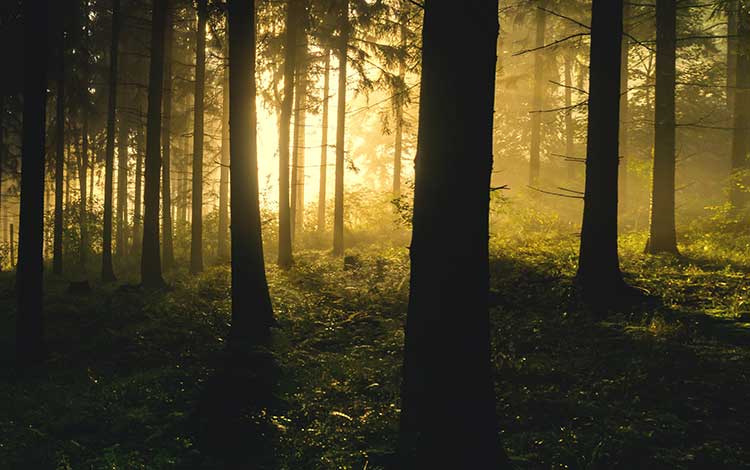
This section shows how backlighting changes the way landscapes feel by emphasizing atmosphere, scale, and shape over fine detail.
A. Backlighting Atmospheric Depth
Backlighting landscapes often reveals haze, mist, dust, or moisture in the air. These elements catch light and create depth that front lighting rarely shows. I look for early morning or late afternoon conditions where atmosphere adds layers rather than flattening the scene.
Shooting into the light also simplifies distant details, which helps guide the viewer through the frame. Hills, trees, and clouds separate naturally through tone and brightness. I let the light do the work instead of forcing contrast through aggressive processing.
B. Backlighting Foreground Simplification
Backlighting tends to darken foreground elements, which can work in your favor. Strong shapes read clearly even without detail, giving the composition structure. I often choose simple foregrounds when backlighting landscapes to avoid clutter and confusion.
When detail matters, I reposition or wait for softer light. Backlighting rewards patience and careful framing more than technical tricks. Clean shapes and clear lines usually outperform busy scenes when the light comes from behind.
5. Backlighting Silhouette Control
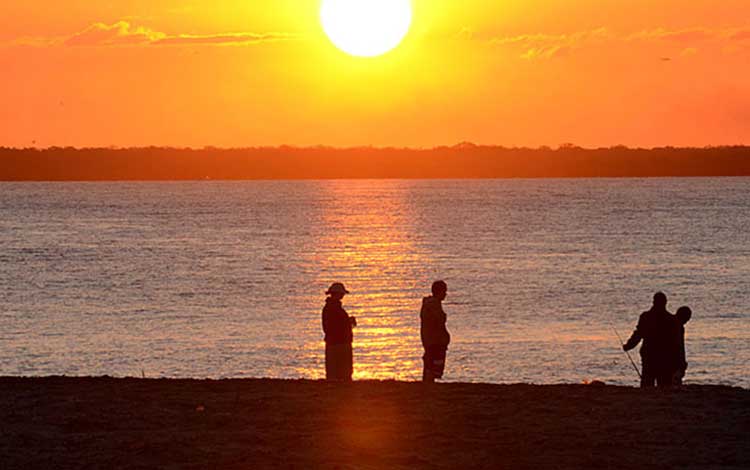
This section explains how silhouettes rely on shape, timing, and exposure discipline rather than subject detail.
A. Backlighting Shape Recognition
Strong silhouettes depend on instantly recognizable shapes. Before I press the shutter, I ask whether the subject reads clearly without internal detail. People, trees, animals, and architecture work well because their outlines remain familiar.
Poor silhouettes happen when shapes overlap or blend into the background. I adjust position until edges separate cleanly and distractions disappear. Backlighting rewards deliberate placement more than complex scenes or crowded frames.
B. Backlighting Exposure Locking
Silhouettes require exposure set for the bright background, not the subject. I meter off the sky or brightest area and lock that exposure. This approach forces the subject into shadow and preserves clean highlights.
Automatic modes often fight this effect by lifting shadows. Manual exposure gives me consistency and control, especially as light changes quickly. Once exposure locks in, I focus on timing, gesture, and composition.
6. Backlighting Composition Choices
This section explains why composition becomes more critical when light reduces detail and increases contrast.
A. Backlighting Subject Placement
Backlighting exaggerates contrast, so subject placement must feel intentional. I avoid placing subjects where bright backgrounds cut through important shapes. Clean separation makes images easier to read and more visually confident.
Placing subjects slightly off-center often improves balance when bright light dominates one side of the frame. I treat light as a compositional element, not just an exposure challenge. Where the light sits matters as much as where the subject stands.
B. Backlighting Flare Management
Lens flare can enhance mood or destroy clarity depending on how it appears. I test small angle changes to control flare shape, strength, and placement. Sometimes flare adds warmth and energy, but only when it supports the subject.
If flare distracts, I shade the lens or adjust position until it disappears. Knowing when to include flare and when to avoid it comes from experience and intent. Backlighting rewards photographers who choose deliberately rather than accepting accidents.
7. Backlighting Common Mistakes
This section highlights frequent errors photographers make when shooting backlit scenes and how to avoid them.
A. Backlighting Overexposure Errors
One common mistake involves letting highlights blow out beyond recovery. Bright skies lose texture quickly when exposure drifts too far. I always check highlight warnings and adjust before problems become permanent.
Protecting highlights gives flexibility later and preserves realism. Slight underexposure usually works better than guessing and hoping for recovery. Backlighting demands restraint more than bravery.
B. Backlighting Subject Confusion
Another mistake comes from unclear subjects that blend into bright backgrounds. Without strong separation, viewers struggle to understand what matters. I simplify scenes and remove distractions before worrying about settings.
Clear intent solves most backlighting problems. When the subject reads instantly, exposure choices feel easier and compositions feel stronger. Backlighting rewards clarity, patience, and thoughtful decision-making.
Conclusion
Backlighting works best when you treat it as a creative choice, not a technical accident. Strong backlit photographs come from understanding light direction, timing, exposure, and composition working together with clear intent.
Apply these ideas by slowing down and observing how light interacts with your subject before adjusting settings. Choose your shooting time carefully, simplify compositions, protect highlights, and decide whether detail or shape matters most in each scene.
Now take your camera and practice deliberately. Shoot into the light at different times, adjust your position often, and review results critically. With repetition and intention, backlighting will become a reliable tool rather than a frustrating challenge.
Frequently Asked Questions (FAQ)
Q: What is backlighting in photography?
A: Backlighting occurs when the main light source sits behind the subject, aiming toward the camera. This technique creates rim light, glow, silhouettes, or atmospheric depth. Photographers use backlighting to add mood, separation, and visual interest rather than even front-facing illumination.
Q: Is backlighting good for photography?
A: Backlighting works very well when used intentionally. It adds depth, shape, and emotion, especially in portraits and landscapes. However, it requires deliberate exposure and composition choices, because uncontrolled backlighting often causes blown highlights or poorly defined subjects.
Q: When should you avoid backlighting?
A: You should avoid backlighting when facial detail or fine texture matters most and you cannot control exposure. Harsh midday light, cluttered backgrounds, or scenes needing accurate color and detail often perform better with side lighting or front lighting.
Q: How do you expose correctly for backlighting?
A: Correct backlighting exposure starts by deciding what matters most in the frame. Meter for highlights to protect skies, or expose for the subject if detail matters. Manual mode or exposure compensation gives better control than fully automatic settings.
Q: What camera settings are best for backlighting?
A: There is no single best setting for backlighting. Use lower ISO for highlight control, adjust aperture for creative depth, and set shutter speed to protect bright areas. Manual mode helps maintain consistency as light direction and intensity change.
BONUS: What is the purpose of backlighting?
Backlighting serves the purpose of shaping mood, depth, and separation by placing light behind the subject instead of directly on it. This approach highlights edges, creates glow or silhouettes, and draws attention to shape and form rather than surface detail, giving photographs a more expressive and intentional look.
Backlighting also helps photographers guide viewer focus and simplify scenes. By controlling exposure and light direction, you can reduce distractions, emphasize atmosphere, and communicate emotion. When used deliberately, backlighting turns difficult lighting conditions into a creative tool instead of a technical obstacle.
BONUS: How to use backlighting in photography?
To use backlighting effectively, position the light source behind your subject and adjust your shooting angle with intention. Watch how light wraps edges, creates rim light, or forms silhouettes. Choose exposure settings deliberately, deciding whether to protect highlights or reveal subject detail based on the story you want the image to tell.
Control backlighting by simplifying compositions and managing flare. Move your position slightly to change light behavior, and time your shots for softer light when possible. Use manual exposure or exposure compensation to maintain consistency and keep creative control as light intensity shifts.
BONUS: What are the best aperture settings for backlit portraits and landscapes?
For backlit portraits, wide apertures like f/1.8 to f/4 work well because they soften backgrounds and enhance subject separation. These settings emphasize rim light around hair and shoulders while keeping attention on expression. I choose the widest aperture that maintains sharp focus and avoids excessive highlight bloom.
For backlit landscapes, narrower apertures such as f/8 to f/16 often perform better. They maintain depth of field, control flare, and help preserve highlight detail. Smaller apertures also enhance sunstar effects when the sun remains partially visible in the frame.
| Number | Main Point | Practical Tip | Meaning |
|---|---|---|---|
| 1 | Backlighting Basics Explained | Place the light source behind the subject and adjust angle until edges glow cleanly. | Backlighting shapes mood and separation by using light from behind rather than front lighting. |
| 2 | Backlighting Timing Matters | Shoot during golden hour to reduce contrast and soften highlight transitions. | Timing affects how easily you control exposure, flare, and contrast in backlit scenes. |
| 3 | Backlighting Portrait Techniques | Expose for skin tones and let the background run brighter if needed. | Backlighting portraits adds depth and subject separation when exposure protects facial detail. |
| 4 | Backlighting Landscape Approaches | Use simple foreground shapes and let atmosphere define depth. | Backlit landscapes emphasize scale, layers, and mood over fine foreground detail. |
| 5 | Backlighting Silhouette Control | Meter for the brightest area to force the subject into shadow. | Silhouettes rely on clear shapes created by exposing for the background. |
| 6 | Backlighting Composition Choices | Keep backgrounds uncluttered to preserve strong subject separation. | Composition becomes critical when backlighting reduces detail and increases contrast.. |
| 7 | Backlighting Common Mistakes | Check highlights and reposition before pressing the shutter. | Most backlighting errors come from blown highlights or unclear subject definition. |