
7 Tips For Lens Flare Photography explains how photographers use light intentionally to create controlled flare that enhances mood and composition. It focuses on understanding light behavior and making deliberate choices with equipment, settings, timing, and positioning.

Key Takeaways – 7 Tips For Lens Flare Photography
- Lens flare occurs when light enters the lens directly, creating glow, streaks, or shapes that can enhance mood when used intentionally.
- Lens choice affects flare character, with different optical designs producing cleaner, softer, or more complex flare patterns.
- Aperture and exposure control flare strength, helping you balance atmosphere while preserving detail and contrast.
- Composition determines whether flare supports the subject, so place flare deliberately and protect important details.
- Timing and sun position shape flare quality, with low-angle light producing softer, more pleasing results.
- Camera angle and alignment fine-tune flare intensity, allowing small movements to create large visual changes.
- Understanding light behavior builds control, turning lens flare from an accident into a reliable creative tool.
7 Tips For Lens Flare Photography
Lens flare photography captures light scattering inside a lens, creating glow, streaks, or shapes that add mood and atmosphere. You create beautiful lens flare photos by shooting toward strong light and controlling how that light enters your lens with intention.
This article explains what lens flare is and why it works when used deliberately. You will learn how equipment choices, camera settings, composition, timing, position, and understanding light all shape flare results in real shooting conditions.
Before diving in, set aside the idea that lens flare ruins photos. With the right approach, flare becomes a creative tool instead of a mistake. The sections ahead will help you recognize, control, and use flare confidently in your own photography.
1. Best Equipment for Lens Flare
The equipment you use determines how controllable, consistent, and visually pleasing lens flare appears in real shooting conditions.
A. Use Lens Choice
Lens choice strongly influences how flare behaves because optical design affects how light refracts and reflects inside the lens. Prime lenses often produce simpler, cleaner flare shapes, while zoom lenses tend to create layered streaks and internal reflections. Wide-angle lenses spread flare across the frame, while longer focal lengths compress it into tighter highlights.
I test different lenses in the same light before committing to a composition. This approach reveals how coatings, focal length, and glass complexity affect contrast and color. When you understand these differences, you choose a lens that supports your creative intent rather than fixing problems later.
B. Use Lens Condition
Lens condition directly affects how flare scatters and blooms across the image. Clean lenses produce predictable flare with clearer edges and stronger contrast. Worn coatings, light scratches, or internal dust increase diffusion, which softens flare and reduces overall micro-contrast.
I keep all my lenses pristine for controlled results for creative flare work. Even light smudges can change flare shape and glow, so testing matters. When you understand how lens condition influences light behavior, you can decide whether precision or character best serves the photograph. My best lens for lens flare photography is my Nikon 80-200mm f/2.8 ED lens.

Nikon D610 + Nikon 80-200mm f/2.8 ED Lens + ISO 160, 80mm, f/22, 1/80sec
2. Best Camera Settings For Lens Flare
Camera settings control how visible, controlled, and intentional lens flare appears, helping you balance creative effect with usable image detail.
A. Control Aperture Choice
Aperture strongly influences the shape, intensity, and character of lens flare. Wide apertures produce softer glow and lower contrast, while smaller apertures create defined flare rays and starbursts shaped by the aperture blades. Each setting changes how flare interacts with the rest of the frame.
I choose aperture intentionally rather than adjusting it only for depth of field. When I want gentle atmosphere, I open the lens slightly and soften flare edges. When I want structure and visual energy, I stop down and allow flare patterns to stand out clearly.
B. Control Exposure Balance
Exposure balance determines whether flare enhances the image or overwhelms it. Bright light sources can clip highlights quickly, which removes color and detail. I expose for the highlights first to keep flare controlled and readable.
I often apply slight underexposure to preserve flare detail and color. This choice maintains contrast and prevents the scene from feeling washed out. Checking the histogram helps confirm that flare remains intentional and supports the photograph rather than distracting from it.
3. Best Composition For Lens Flare
Strong composition ensures lens flare supports the subject and visual story instead of pulling attention away from important details.
A. Place Flare Purposefully
Lens flare works best when you place it intentionally within the frame. I position flare to lead the eye toward the subject or to reinforce a sense of depth and direction. Random flare often feels distracting, while deliberate placement feels natural and controlled.
I watch how flare intersects with lines, edges, and negative space. Small framing adjustments can move flare off faces or key details while keeping its glow. Thoughtful placement turns flare into a compositional tool rather than a visual accident.
B. Protect Subject Detail
Lens flare easily reduces contrast and clarity around your subject. I compose carefully to keep faces, textures, and important shapes readable. This often means shielding part of the lens or adjusting framing slightly.
Foreground elements help block excess light while still allowing flare to spill into the frame. Trees, buildings, or a subject’s edge can act as natural light filters. These choices preserve detail while keeping flare expressive and balanced.
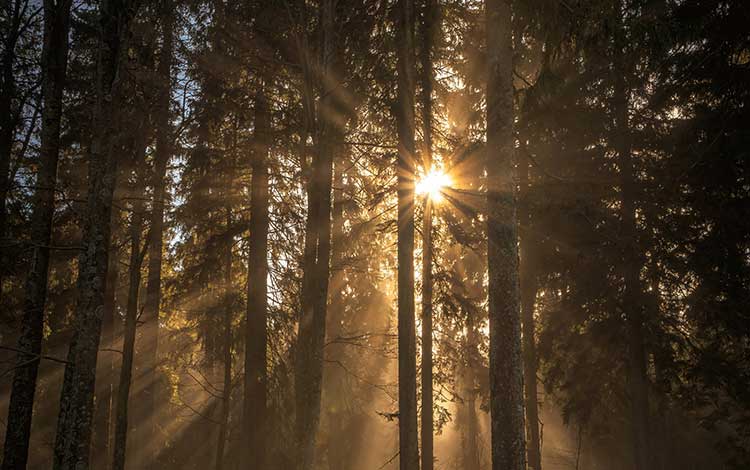
4. Best Timing For Lens Flare
Timing affects flare quality, color, and intensity because light angle and strength change throughout the day.
A. Use Low Sun
Low sun angles create longer, softer rays that produce pleasing flare patterns. Early morning and late afternoon light feels gentler and more controllable than harsh midday sun. Flare during these times blends naturally with warm tones.
I plan flare shots around sun position rather than convenience. Even a short delay can transform harsh glare into usable flare. Watching the sun’s movement helps you anticipate better moments instead of reacting too late.
B. Use Transitional Light
Transitional light occurs just after sunrise and before sunset. During these moments, flare appears softer and more colorful, with reduced contrast loss. The light feels directional without overwhelming the scene.
I work quickly during these windows because conditions change fast. Adjustments happen frame by frame as the sun drops or rises. This timing rewards patience and preparation with flare that feels intentional and atmospheric.
5. Best Location For Lens Flare
Location determines how light enters the frame and how flare interacts with background elements.
A. Choose Open Spaces
Open spaces allow light to enter the lens freely, producing clean and predictable flare. Beaches, fields, and open roads provide minimal obstructions and clear light paths. These settings make flare easier to control and repeat.
I prefer locations with simple backgrounds when learning flare behavior. Fewer visual elements make it easier to judge exposure and placement. Once confident, I introduce complexity for more layered compositions.
B. Choose Framed Light
Framed light uses objects to partially block the light source. Trees, buildings, and doorways help shape flare and soften its intensity. This technique adds structure and prevents flare from overpowering the scene.
I move slowly and watch how flare changes as light peeks around edges. Small movements dramatically alter results. Framing light gives you precision while maintaining a natural, organic feel.
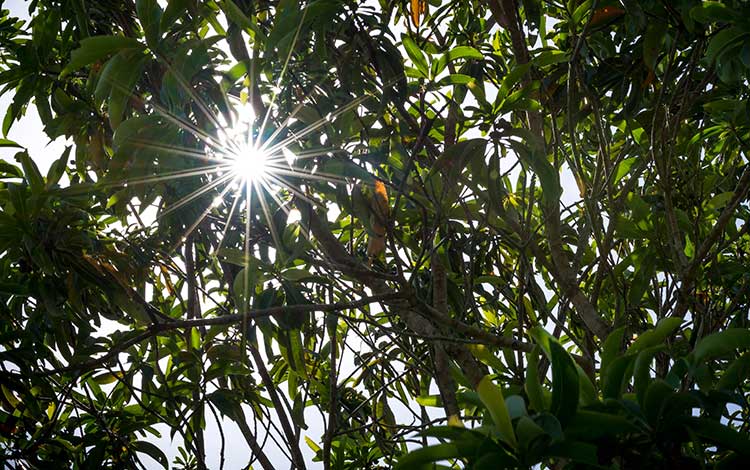
Nikon D610 + Nikon 80-200mm f2.8 ED Lens + ISO 100, 86mm, f/22, 1/60sec
6. Best Angle For Lens Flare
Camera angle controls flare direction, strength, and visual balance within the frame.
A. Adjust Camera Position
Small changes in camera position create large changes in flare appearance. I shift left, right, up, or down to fine-tune flare placement. Even slight movement can transform harsh glare into pleasing streaks.
I avoid locking into one position too quickly. Exploring angles helps reveal better compositions and cleaner flare. This flexibility increases consistency and creative control.
B. Adjust Light Alignment
Aligning the light source just inside or outside the frame controls flare intensity. Direct alignment creates strong flare, while partial alignment softens it. I use this technique to dial in the exact look I want.
I watch the viewfinder carefully as flare responds instantly to alignment changes. This real-time feedback makes angle control one of the most effective flare tools available.

7. Best Information For Lens Flare
Understanding how lens flare works allows you to use it creatively instead of avoiding it out of fear.
A. Learn Light Behavior
Lens flare occurs when light reflects internally between lens elements. Knowing this helps you predict flare patterns and intensity. Different lenses react differently, even under identical conditions.
I study flare behavior by shooting directly into light at different angles and settings. This hands-on learning builds confidence and reduces frustration. Knowledge replaces guesswork in challenging lighting.
B. Learn Visual Intent
Flare should serve a purpose within the image. I decide whether flare adds mood, direction, or emotion before pressing the shutter. Without intent, flare often feels accidental.
Clear intent guides decisions about exposure, angle, and composition. When flare supports the story, it strengthens the photograph. When it distracts, it weakens it. Intent makes the difference.
Conclusion
Lens flare works best when you approach it with intention, understanding, and control. The right equipment, settings, timing, and positioning allow flare to enhance mood without overwhelming your subject or composition.
Apply these principles by slowing down and observing how light enters your lens. Make small adjustments to angle, exposure, and framing, then watch how flare responds. Practice helps you replace guesswork with confidence and consistency.
Now take your camera into challenging light and experiment deliberately. Shoot into the sun, review your results, and refine your approach. With repetition and curiosity, lens flare becomes a creative choice rather than an unpredictable accident.

Frequently Asked Questions (FAQ)
Q: What is lens flare in photography?
A: Lens flare occurs when strong light enters the lens and reflects between internal elements, creating glow, streaks, or shapes. Photographers use it creatively to add mood, depth, and atmosphere when they control exposure, angle, and composition intentionally.
Q: Is lens flare good or bad in photos?
A: Lens flare is neither good nor bad by default. It becomes effective when it supports the subject and mood of the image. Uncontrolled flare distracts viewers, while intentional flare enhances storytelling, light direction, and emotional impact.
Q: What camera settings work best for lens flare?
A: Moderate apertures and careful exposure control work best for lens flare photography. Slight underexposure preserves highlight detail and color. Adjust aperture to control flare shape, and monitor the histogram to avoid washed-out highlights.
Q: Which lenses create the best lens flare effects?
A: Prime lenses and older lenses often produce stronger, more characterful flare due to simpler optical designs and coatings. Wide-angle lenses spread flare across the frame, while longer focal lengths compress flare into tighter, more controlled patterns.
Q: How do photographers control lens flare intentionally?
A: Photographers control lens flare by adjusting shooting angle, light alignment, framing, and exposure. Small camera movements dramatically change flare appearance. Using foreground elements or partial shading helps shape flare without losing subject detail.
BONUS: What is the correlation between aperture blades and focal length of the lens?
Aperture blades shape how light enters the lens, which directly affects bokeh, starbursts, and flare patterns. More blades usually create rounder openings, producing smoother blur and softer highlights. Fewer blades form angular openings, which create sharper starbursts and more defined flare when you stop down.
Focal length changes how those aperture effects appear in the frame. Wide-angle lenses exaggerate starbursts and flare because they spread light across a larger field of view. Telephoto lenses compress these effects, making aperture blade shapes appear tighter, stronger, and more concentrated around bright light sources.
In other words, aperture blades determine ray count, focal length determines how prominent and sharp the rays appear, and aperture size determines how strong the starburst is.
BONUS: Which lenses have more aperture blades for lens flare photography?
Lenses with more aperture blades often produce smoother flare transitions and rounder light artifacts when stopped down. Many prime lenses include seven to eleven aperture blades, which helps shape flare more evenly. Portrait and standard primes frequently prioritize blade count to improve bokeh and light rendering, which also influences flare quality.
Older prime lenses and higher-end modern primes often include more blades than basic zoom lenses. These designs allow flare to appear softer and more controlled rather than harsh or angular. Testing your lenses at smaller apertures quickly reveals how blade count affects flare shape and starburst definition.
BONUS: Why does the 80-200mm telephoto lens take better lens flare than 15-35mm zoom lens?
An 80–200mm telephoto lens often produces cleaner, more controlled lens flare because it compresses perspective and narrows the light path. This compression concentrates flare into smaller highlights and reduces wide-angle light scatter. The result feels tighter and less chaotic when shooting toward strong light sources.
A 15–35mm zoom spreads light across a wider field of view, which increases internal reflections and contrast loss. That design creates larger flare streaks and veiling glare more easily. Telephoto lenses limit stray light, so flare appears more refined and easier to place intentionally within the frame.
| Number | Main Point | Practical Tip | Meaning |
|---|---|---|---|
| 1 | Best Equipment For Lens Flare | Test different lenses in direct light to see how each produces flare. | Lens choice affects flare shape, intensity, and contrast due to optical design. |
| 2 | Best Camera Settings For Lens Flare | Slightly underexpose and adjust aperture to control flare strength. | Exposure and aperture determine whether flare feels controlled or distracting. |
| 3 | Best Composition For Lens Flare | Position flare to lead the eye without covering key subject details. | Composition ensures flare supports the subject rather than overpowering it. |
| 4 | Best Timing For Lens Flare | Shoot during early morning or late afternoon for softer flare. | Low sun angles create more pleasing and manageable lens flare. |
| 5 | Best Location For Lens Flare | Use open spaces or frame light with trees or buildings. | Location shapes how light enters the lens and interacts with the scene. |
| 6 | Best Angle For Lens Flare | Move slightly until flare appears balanced in the frame. | Camera angle controls flare direction, strength, and placement. |
| 7 | Best Information For Lens Flare | Study how your lens reacts to light through repeated testing. | Understanding light behavior turns flare into a deliberate creative choice. |