
The 7 Tips For Depth of field photography explain how aperture, lens choice, and subject distance control what appears sharp in an image. Understanding these relationships helps photographers make consistent focus decisions that improve clarity and composition.

Key Takeaways – 7 Tips For Depth of Field Photography
- Depth of field controls sharpness by defining how much of the scene appears in focus from front to back.
- Shallow depth of field isolates subjects by softening backgrounds and reducing visual distractions.
- Deep depth of field preserves context by keeping foreground and background elements sharp and readable.
- Aperture influences depth of field most, but focal length, subject distance, and sensor size also matter.
- Lens choice affects background blur because longer focal lengths create stronger subject separation.
- Composition and depth work together to guide viewer attention and strengthen visual storytelling.
- Common depth of field mistakes occur when photographers chase blur instead of clarity and purpose.
7 Tips For Depth of Field Photography
Depth of field describes how much of a photograph appears sharp from front to back, while bokeh refers to the pleasing blur outside that focus zone. Together, they help photographs feel clear, intentional, and visually engaging by separating subjects from their surroundings.
In this article, you will learn how depth of field works, why photographers control it, and how camera settings, lenses, and distance shape the final image. These ideas matter because depth choices affect clarity, storytelling, and viewer attention in every type of photography.
Before adjusting dials or choosing lenses, it helps to understand what depth of field actually does in real scenes. The sections ahead will guide you step by step, helping you make confident focus decisions that improve both technique and creative vision.
1. Depth of Field Basics
This section explains what depth of field means in photography and why understanding it helps you make clearer creative and technical decisions.
A. What Depth of Field Is
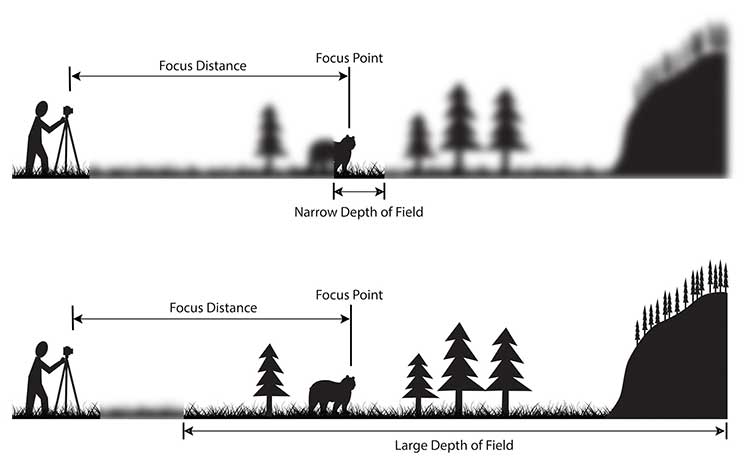
Depth of field describes how much of your image appears acceptably sharp from front to back. When you focus on a subject, only a specific zone stays sharp, while areas closer or farther away gradually lose clarity. This sharp zone defines your depth of field and shapes how viewers read your photograph.
Photographers often think depth of field means blur, but it really means control. You decide whether the scene shows deep clarity or selective focus based on intent. Landscapes often benefit from greater depth, while portraits usually rely on shallow depth to isolate subjects and simplify the frame.
B. How Depth of Field Appears
Depth of field appears visually as either separation or continuity within the frame. Shallow depth of field makes the subject stand out sharply against a softer background, which draws attention quickly and clearly. Deeper depth of field keeps more of the scene sharp, encouraging viewers to explore the image more slowly.
You can usually recognize depth of field before pressing the shutter by watching how backgrounds change as you adjust settings. As depth decreases, backgrounds compress into shapes and tones. As depth increases, textures and details remain visible, supporting context and environmental storytelling.
2. Depth of Field Purpose
This section explains why photographers deliberately control depth of field to guide attention, clarify subjects, and strengthen visual storytelling.
A. Why Depth of Field Matters
Depth of field matters because it influences how viewers read and understand a photograph. A shallow depth of field directs attention to the subject by reducing background detail and visual noise. This control helps important elements stand out clearly without relying on cropping or framing alone.
When depth of field matches intent, images feel intentional rather than accidental. Portraits often benefit from limited depth to isolate faces, while documentary and landscape scenes usually require greater depth to preserve context. Understanding this choice helps photographers communicate ideas more clearly through focus decisions.
B. When Depth of Field Works
Depth of field works best when it supports the subject and the story within the frame. Shallow depth suits single subjects, busy backgrounds, or moments where emotional focus matters most. Deeper depth works better when relationships between foreground and background add meaning to the scene.
Experienced photographers evaluate depth of field before adjusting exposure. They ask whether clarity or separation will serve the image better. This habit leads to stronger compositions because focus becomes a deliberate creative decision, not a technical afterthought.
3. Depth of Field Factors
This section explains the main variables that influence depth of field and how they interact in real shooting situations.
A. What Affects Depth of Field
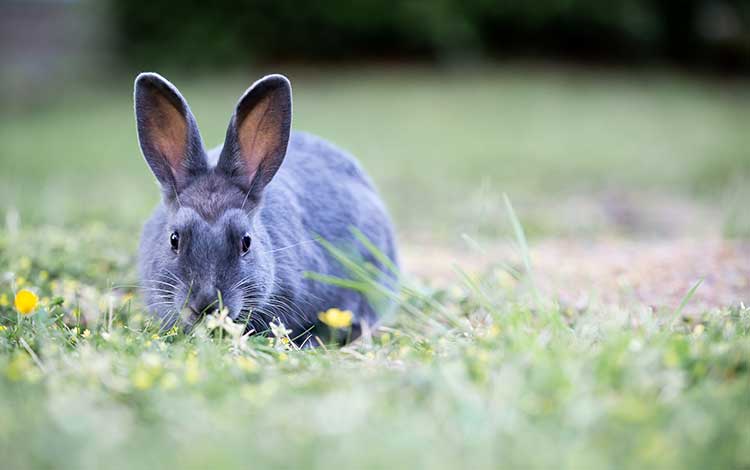
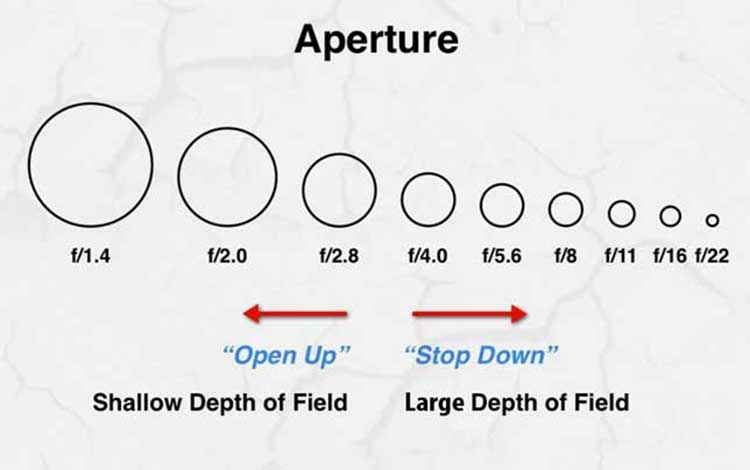
Depth of field depends on aperture, focal length, subject distance, and sensor size. Aperture plays the most visible role, but it never works alone. A wide aperture reduces depth, while a narrow aperture increases it, assuming other factors remain constant.
Subject distance often surprises photographers more than aperture. As you move closer to your subject, depth of field decreases rapidly. This effect becomes very noticeable in close-up, portrait, and macro photography, where focus precision matters most.
B. How Factors Interact
Depth of field factors always interact, which means changing one affects the others. A longer focal length narrows depth of field, even when you maintain the same framing. This interaction explains why telephoto portraits show stronger background blur than wide-angle images.
Sensor size also influences depth of field indirectly. Larger sensors require longer focal lengths or closer distances for the same composition, which reduces depth of field. Understanding these relationships helps photographers predict results instead of relying on trial and error.
4. Depth of Field Camera Settings
This section explains how camera settings allow photographers to control depth of field with accuracy and consistency.
A. Which Settings Control Depth
Aperture controls depth of field more directly than any other camera setting. Wide apertures create shallow depth, while smaller apertures expand sharpness throughout the scene. Most photographers adjust aperture first when depth of field matters.
Aperture Priority mode works well when depth is the main concern. Manual mode offers full control when lighting conditions remain stable. Both approaches succeed when photographers understand how aperture choices affect focus depth and exposure together.
B. How Settings Influence Results
Smaller apertures increase depth of field but also reduce light reaching the sensor. This change often requires slower shutter speeds or higher ISO values. Photographers must balance sharpness depth with motion control and image noise.
Wider apertures improve subject isolation but reduce margin for focus error. Accurate autofocus placement becomes critical, especially with fast lenses. Learning how settings influence results helps photographers avoid missed focus and inconsistent outcomes.

5. Depth of Field Lens Choices
This section explains how lens selection shapes depth of field and affects visual separation within a scene.
A. How Lenses Affect Depth
Longer focal lengths naturally produce shallower depth of field than wider lenses. Even at the same aperture, a telephoto lens compresses perspective and reduces background detail. This behavior makes longer lenses popular for portraits and subject isolation.
Wide-angle lenses usually show deeper depth of field, especially at moderate apertures. They keep more of the scene sharp, which suits landscapes and environmental photography. Lens choice often determines depth of field before settings come into play.
B. Why Lens Choice Matters
Lens choice influences how viewers perceive space and separation. A fast prime lens encourages selective focus and clean backgrounds. A slower zoom lens often supports broader context and storytelling clarity.
Experienced photographers choose lenses based on intent, not maximum blur. They match focal length to subject distance, background complexity, and desired emphasis. This approach leads to consistent, intentional depth of field results.

6. Depth of Field Composition Options
This section explains how depth of field works with composition to strengthen structure, clarity, and visual flow.
A. How Depth Shapes Composition
Shallow depth of field simplifies compositions by removing background distractions. This simplification allows subjects to stand out clearly, even in busy environments. It also helps guide the viewer’s eye without heavy framing techniques.
Deeper depth of field supports layered compositions. Foreground, middle ground, and background elements remain sharp, creating depth and scale. This approach works well in landscapes, architecture, and storytelling scenes where relationships matter.
B. Why Depth Adds Interest
Depth of field adds interest by controlling visual emphasis. Selective focus creates mood and intimacy, while broad focus builds context and realism. Both approaches serve different creative goals.
Strong compositions use depth deliberately rather than accidentally. Photographers decide what should remain sharp and what should fade away. This decision strengthens clarity and improves storytelling through focus control.

7. Depth of Field Common Mistakes
This section highlights frequent depth of field errors and explains how to avoid them through better judgment and technique.
A. When Depth Becomes Distracting
Too little depth of field often causes important details to fall out of focus. Eyes may appear soft in portraits, or key elements may blur unintentionally. This mistake usually results from prioritizing blur over clarity.
Overusing shallow depth can also flatten scenes. When everything except the subject disappears, images lose context and visual richness. Photographers should match depth to purpose, not trends.
B. Why Depth Gets Misused
Depth of field often gets misused because photographers chase aesthetic blur without considering intent. Fast lenses encourage wide apertures, even when deeper focus would improve the image.
Improvement comes from slowing down and evaluating the scene. Photographers should ask what needs clarity and what can fade away. This mindset transforms depth of field from a gimmick into a reliable creative tool.
Conclusion
Depth of field remains one of the most powerful tools photographers use to control clarity, emphasis, and visual storytelling. When you understand how focus depth works, your images feel intentional rather than accidental.
Applying these ideas means choosing depth of field based on purpose, not habit. You evaluate the subject, background, and story before adjusting aperture, lens choice, or distance. This approach leads to cleaner compositions and more consistent results in real shooting conditions.
Now take these tips into the field and practice them deliberately. Adjust one variable at a time and observe how depth changes the image. With repetition and attention, depth of field becomes a confident creative decision instead of a technical guess.
Frequently Asked Questions (FAQ)
Q: What is depth of field in photography?
A: Depth of field describes how much of a photo appears sharp from front to back. A shallow depth isolates the subject with background blur, while a deep depth keeps more of the scene in focus, helping photographers control clarity, emphasis, and visual storytelling.
Q: How do I get a shallow depth of field?
A: You achieve shallow depth of field by using a wide aperture, increasing focal length, and moving closer to your subject. These choices reduce the focus zone, soften backgrounds, and help subjects stand out clearly, especially in portraits and detail-focused photography.
Q: What camera settings affect depth of field the most?
A: Aperture affects depth of field the most, but focal length and subject distance also play major roles. Wide apertures reduce depth, while smaller apertures increase it. Understanding how these settings interact helps photographers predict focus results instead of guessing.
Q: Does lens choice change depth of field?
A: Yes, lens choice strongly affects depth of field. Longer focal length lenses create shallower depth than wide lenses at the same framing. Lens choice influences subject separation, background compression, and overall visual emphasis before camera settings even change.
Q: What are common depth of field mistakes photographers make?
A: Common mistakes include using shallow depth of field when important details need clarity or choosing blur for style alone. Photographers improve by matching depth of field to subject purpose, scene complexity, and storytelling needs rather than trends or habit.
BONUS: When should photographers avoid shallow depth of field?
Photographers should avoid shallow depth of field when important details need clear focus across the frame. Group portraits, architectural scenes, and landscapes often require deeper focus to keep faces, structures, or foreground elements sharp. Using too little depth in these situations can confuse viewers and weaken the photograph’s message.
Photographers should also avoid shallow depth of field when focus accuracy becomes unreliable. Fast-moving subjects, low light, or very close shooting distances increase the risk of missed focus. In these conditions, added depth provides forgiveness, improves consistency, and helps ensure the subject communicates clearly without distraction.
BONUS: What camera settings produce the best bokeh?
Photographers create the best bokeh by using wide apertures, longer focal lengths, and close subject distances. An aperture such as f/1.8 or f/2.8 reduces depth of field and softens background detail. Longer lenses compress perspective, which enlarges blur circles and enhances background separation.
Photographers also improve bokeh by placing backgrounds farther from the subject. Simple, evenly lit backgrounds blur more smoothly than busy ones. Accurate focus on the subject matters, because sharp focus makes the background blur appear cleaner and more pleasing.
BONUS: How do focal length and aperture work together to affect depth of field?
Focal length and aperture work together to control how much of a scene appears sharp. Wider apertures reduce depth of field, while smaller apertures increase it. Longer focal lengths also reduce depth of field by compressing perspective and enlarging background blur at the same framing.
Photographers must balance both settings to achieve consistent results. A wide aperture on a wide lens still shows more depth than the same aperture on a telephoto lens. Understanding this relationship helps photographers predict focus behavior instead of relying on trial and error.
BONUS: How does sensor size affect depth of field?
Sensor size affects depth of field by changing the focal length and distance needed for the same composition. Larger sensors require longer focal lengths or closer shooting distances, which naturally reduce depth of field. Smaller sensors use shorter focal lengths, creating deeper focus at equivalent framing.
Photographers often notice this difference when switching between crop and full-frame cameras. Full-frame systems produce stronger background blur more easily, while crop-sensor cameras maintain greater depth. Understanding this helps photographers choose lenses and settings that match their creative intent.
BONUS: Is aperture priority or manual mode better for controlling depth of field?
Aperture Priority mode works best when depth of field matters more than exposure precision. Photographers set the desired aperture and let the camera adjust shutter speed automatically. This approach allows quick depth control in changing light while maintaining consistent focus depth across multiple shots.
Manual mode works better when lighting stays constant or when exposure consistency matters. Photographers control aperture, shutter speed, and ISO directly, which prevents exposure shifts between frames. Both modes succeed when photographers choose based on shooting conditions, not habit.
BONUS: How does subject distance change depth of field?
Subject distance strongly affects depth of field, often more than aperture changes. As photographers move closer to a subject, the depth of field becomes much shallower. This effect appears clearly in portraits and close-up photography, where small movements can shift focus dramatically.
As photographers move farther from the subject, depth of field increases and covers a larger area. Distant subjects allow more of the scene to remain sharp, even at wider apertures. Understanding this relationship helps photographers choose shooting distances that support clarity and creative intent.
BONUS: What is shallow and large depth of field?
Shallow depth of field occurs when only a small portion of the scene appears sharp, while the foreground and background blur quickly. Photographers create this effect by using wide apertures, longer focal lengths, or close subject distances. Shallow depth works well for isolating subjects and reducing visual distractions.
Large, or deep, depth of field keeps most of the scene in sharp focus from front to back. Photographers achieve this look by using smaller apertures, wider lenses, and greater subject distances. Deep depth supports landscapes, architecture, and scenes where context and detail matter.
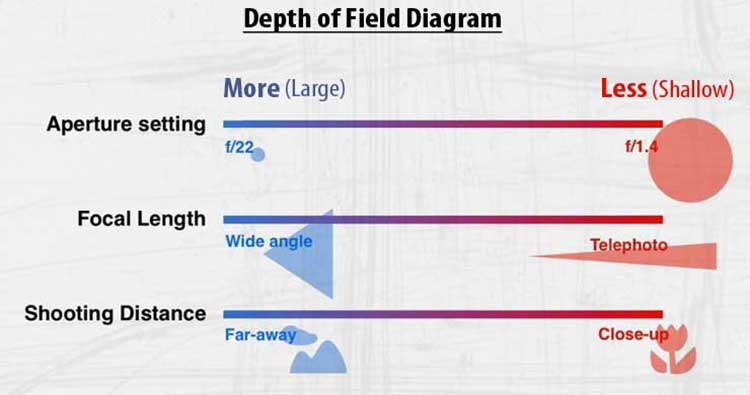
BONUS: What is relationship between aperture settings, focal length, and shooting distance in depth of field?
Aperture, focal length, and shooting distance work together to control how much of a scene appears sharp. Wide apertures reduce depth of field, while smaller apertures increase it. This setting determines the thickness of the focus zone around your chosen focus point.
Focal length influences depth by changing perspective and magnification. Longer focal lengths reduce depth of field at the same framing, while shorter focal lengths increase it. Photographers often notice stronger background blur when they use telephoto lenses for portraits.
Shooting distance often has the strongest effect on depth of field. Moving closer to a subject quickly reduces focus depth, even at moderate apertures. Stepping back increases depth and improves focus tolerance, helping photographers maintain clarity across the scene.
| Number | Main Point | Practical Tip | Meaning |
|---|---|---|---|
| 1 | Depth of Field Basics | Observe how much of the scene stays sharp as you change aperture settings. | Depth of field defines how much of an image appears in focus from front to back. |
| 2 | Depth of Field Purpose | Decide whether you want subject isolation or full scene clarity before shooting. | Depth of field helps guide viewer attention and visual storytelling. |
| 3 | Depth of Field Factors | Adjust aperture, distance, or focal length one at a time to see the effect. | Multiple factors interact to control how deep or shallow focus appears. |
| 4 | Depth of Field Camera Settings | Use Aperture Priority mode when depth control matters most. | Aperture settings give photographers direct control over focus depth. |
| 5 | Depth of Field Lens Choices | Choose longer lenses for background blur and wider lenses for deeper focus. | Lens focal length influences subject separation and background clarity. |
| 6 | Depth of Field Composition Options | Use shallow depth to simplify backgrounds or deep depth to show context. | Depth of field works with composition to strengthen structure and emphasis. |
| 7 | Depth of Field Common Mistakes | Avoid using wide apertures when important details must stay sharp. | Poor depth choices weaken clarity and distract from the subject’s purpose. |