
7 Tips For Composition in Photography explains how photographers arrange visual elements within the frame to guide the viewer’s eye, improve clarity, and create balanced images. These tips focus on subject placement and visual structure, helping photographers make intentional framing decisions that strengthen storytelling and consistency.

Key Takeaways – 7 Tips For Composition in Photography
- Composition controls visual impact – How you arrange elements in the frame guides the viewer’s eye and shapes how an image feels.
- Strong placement improves clarity – Positioning subjects thoughtfully creates balance and prevents visual confusion.
- Lines and frames guide attention – Leading lines and natural frames direct viewers toward the subject and add structure.
- Simpler frames communicate better – Filling the frame and reducing clutter strengthens subject emphasis.
- Foreground adds depth and scale – Foreground interest helps images feel layered and three-dimensional.
- Balance creates visual harmony – Balanced and symmetrical compositions feel stable and intentional.
- Avoid common mistakes early – Watching edges and removing distractions improves image quality before pressing the shutter.
7 Tips For Composition in Photography
Composition in photography describes how you arrange visual elements within the frame to create clear, engaging images. Strong composition guides the viewer’s eye, shapes mood, and gives photographs purpose. Without it, even well-exposed images can feel confusing, flat, or unfinished.
This article explains how thoughtful composition improves clarity, balance, and visual impact in everyday shooting situations. You will learn how simple choices about placement, space, and structure influence how images feel and read. These ideas matter because composition affects every photograph, regardless of subject or camera.
As you read, focus less on rules and more on observation and intention. Each tip encourages you to take your time, look carefully, and make deliberate framing decisions. With practice, these habits will strengthen your technique and improve consistency in your photography.
1. Master the Rule of Thirds
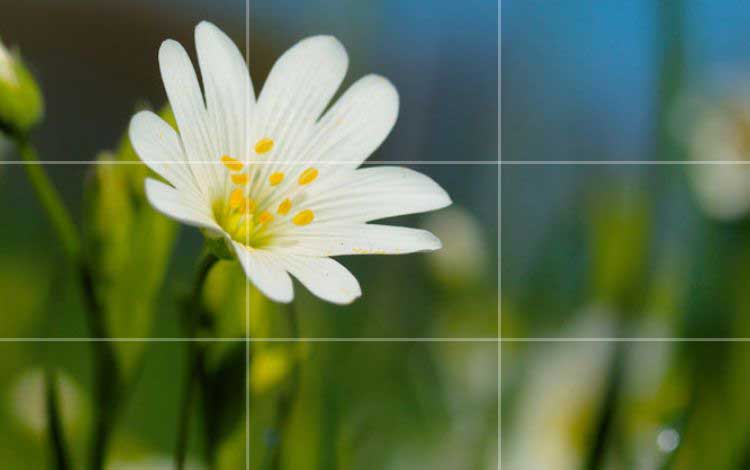
The Rule of Thirds helps photographers organize visual elements so images feel balanced, intentional, and naturally engaging to the viewer.
A. Position Key Subjects Thoughtfully
Placing your main subject along a thirds line, rather than the center, often creates a stronger and more dynamic composition. This approach encourages the viewer’s eye to move through the frame instead of stopping abruptly on a centered subject. Landscapes, portraits, and street scenes all benefit from this subtle shift in placement.
I use the Rule of Thirds as a starting guide, not a rigid rule. When I align eyes, horizons, or strong vertical elements with grid intersections, the image usually feels more deliberate. This method also helps simplify decision-making in the field, especially when scenes feel visually busy or overwhelming.
B. Balance Space and Subject
The space around a subject matters just as much as the subject itself. Negative space gives visual breathing room and helps emphasize the main point of interest without adding distractions. When used well, empty space strengthens mood, direction, and visual clarity.
Balancing space also helps control how a photograph feels emotionally. A subject placed on one third with open space in front often suggests movement, anticipation, or calm. I regularly check the frame edges to ensure the surrounding space supports the subject’s story rather than competing with it.
2. Master Leading Lines
Leading lines help photographers control how viewers move through an image, guiding attention toward the subject while adding structure and visual flow.
A. Guide the Viewer’s Eye
Leading lines act like visual arrows that direct attention through the frame toward your main subject. Roads, fences, rivers, shadows, and architectural edges naturally pull the viewer’s eye forward. When I compose a scene, I look for lines that begin near the frame edge and lead inward, rather than lines that cut randomly across the image.
Strong leading lines simplify complex scenes and reduce visual confusion. They give viewers a clear path to follow, which keeps them engaged longer. I often adjust my shooting position slightly to strengthen the line’s direction, even if that means kneeling, stepping sideways, or changing focal length.
B. Create Depth and Direction
Leading lines also create a sense of depth by connecting foreground, middle ground, and background. This depth helps flat scenes feel three-dimensional, especially in landscapes and urban environments. Lines that recede into the distance naturally suggest scale and perspective.
Direction matters as much as depth. Diagonal lines feel more dynamic, while straight lines feel calm and controlled. I choose line direction based on the mood I want to convey, then frame carefully to ensure those lines support the subject instead of competing with it.

3. Master Frame Within a Frame
Using a frame within a frame helps photographers draw attention to the subject while adding depth, context, and visual structure to an image.
A. Use Natural Framing Elements
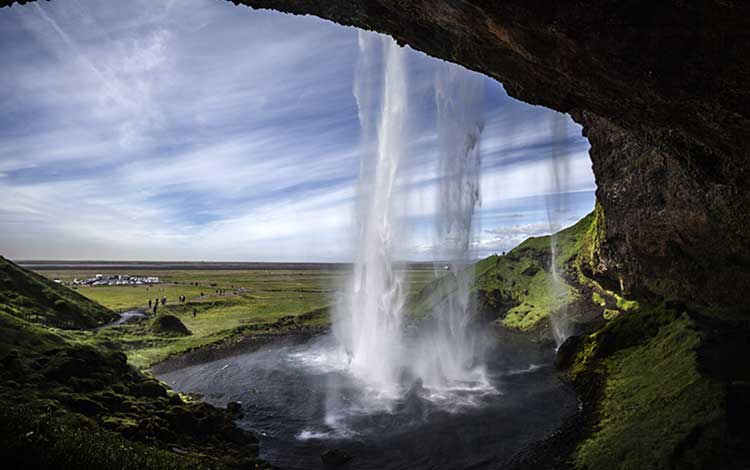
Natural frames come from elements already present in the scene, such as doorways, windows, arches, trees, or overhanging branches. These elements create a visual boundary that directs attention inward toward the subject. When I spot a potential frame, I position myself carefully so the framing feels intentional rather than accidental.
Natural framing works best when it feels subtle and supportive. The frame should guide the viewer’s eye without overpowering the subject. I often adjust aperture and focus to keep the frame slightly softer, ensuring the subject remains dominant and visually clear.
B. Strengthen Subject Separation
Framing also helps separate the subject from a busy or distracting background. By enclosing the subject within a darker or contrasting element, you increase visual clarity and emphasis. This technique works especially well in street photography, portraits, and environmental scenes.
I pay close attention to exposure and contrast when using internal frames. A darker frame around a brighter subject naturally draws attention where it belongs. When used thoughtfully, this technique adds depth and storytelling strength without relying on heavy editing or artificial effects.
4. Master Fill the Frame
Filling the frame helps photographers remove distractions and strengthen subject impact by making the main element visually dominant.
A. Move Closer to Subjects
Moving closer forces you to make clear decisions about what truly matters in the scene. This approach reduces background clutter and increases subject detail, texture, and emotional impact. When I step closer, I often notice small visual elements that add character, such as patterns, expressions, or surface details.
Filling the frame also encourages intentional composition. Instead of relying on cropping later, I frame carefully in-camera and adjust my position until the subject feels strong and complete. This habit improves visual discipline and helps develop a more confident photographic eye.
B. Eliminate Distracting Backgrounds
Busy backgrounds weaken even strong subjects if they compete for attention. By filling the frame, you limit distractions and keep the viewer focused where it matters. I often change angles, zoom in, or wait for cleaner backgrounds to simplify the scene.
This technique works especially well in portraits, close-up details, and street photography. When the subject fills most of the frame, the image feels deliberate and purposeful. The result is a photograph that communicates clearly without unnecessary visual noise.

5. Master Foreground Interest
Foreground interest helps photographers add depth and scale, making images feel immersive rather than flat or distant.
A. Anchor the Composition Visually
A strong foreground element gives the viewer a clear entry point into the image. Rocks, flowers, textures, or shadows can anchor the frame and lead attention deeper into the scene. When I include a foreground element, I position it deliberately so it supports the subject instead of distracting from it.
Foreground anchors work best when they feel connected to the rest of the composition. I often adjust my shooting height or lens choice to balance the foreground with the background. This approach helps landscapes and wide scenes feel more engaging and intentional.
B. Enhance Depth Perception
Foreground interest strengthens depth by creating visual layers between near and far elements. These layers help the viewer sense distance and scale within a two-dimensional image. I look for scenes where the foreground, middle ground, and background work together naturally.
Depth becomes more effective when focus and aperture support the composition. I may use a smaller aperture to keep multiple layers sharp, or a wider aperture to isolate the foreground creatively. Either choice should reinforce the story and visual flow of the photograph.

6. Master Balance and Symmetry
Balance and symmetry help photographers create images that feel stable, intentional, and visually satisfying rather than uneven or distracting.
A. Distribute Visual Weight Evenly
Every element in a frame carries visual weight based on size, brightness, color, and contrast. When one side feels heavier, the image can feel awkward or unbalanced. I scan the entire frame and adjust position or framing until the visual weight feels evenly distributed.
Balance does not always mean equal size or perfect alignment. A small bright subject can balance a larger darker area if placed carefully. Understanding this relationship helps you compose scenes that feel calm, controlled, and visually coherent.
B. Use Symmetry Deliberately
Symmetry works best when it is clear and intentional. Reflections, architectural patterns, and centered subjects benefit from precise alignment. I take extra time to level the camera and center the subject when symmetry becomes the main design element.
Symmetrical compositions feel strong and formal, but they lose impact if they feel accidental. I commit fully to symmetry when I choose it, ensuring clean edges and consistent spacing. This discipline helps the image feel confident rather than casual.

7. Master Common Composition Mistakes
Understanding common composition mistakes helps photographers recognize weak patterns early and make clearer, more confident decisions while shooting.
A. Avoid Visual Clutter
Visual clutter occurs when too many elements compete for attention within the frame. This confusion weakens subject impact and makes images harder to read. When I feel overwhelmed by a scene, I pause and ask what truly belongs in the photograph.
Removing clutter often requires small adjustments rather than major changes. Stepping sideways, changing focal length, or waiting for distractions to clear can dramatically improve clarity. A simpler frame usually communicates the message more effectively than a busy one.
B. Watch Frame Edges Carefully
The edges of the frame deserve as much attention as the center. Cut-off limbs, bright distractions, or partial objects near the edges pull attention away from the subject. I routinely scan the borders before pressing the shutter.
Edge awareness improves with practice and discipline. I slow down, reframe slightly, or zoom in to clean up the composition. This habit alone has improved more of my photographs than any camera setting or technical adjustment.
Conclusion
Great composition gives photographs clarity, balance, and purpose. It shapes how viewers read an image and decide where to look first. When photographers compose deliberately, their images feel intentional rather than accidental, regardless of subject or equipment.
Applying these principles requires awareness and practice in real shooting situations. Small choices about framing, spacing, and subject placement often matter more than technical settings. With repetition, these habits become instinctive and improve consistency across different scenes.
Take time to slow down and study your frame before pressing the shutter. Practice one composition idea at a time during your next shoot. Review your images critically and adjust. Steady improvement comes from intentional seeing, not rushing or relying on chance.
Frequently Asked Questions (FAQ)
Q: What is composition in photography?
A: Composition in photography refers to how visual elements are arranged within the frame to create clarity and impact. Good composition guides the viewer’s eye, highlights the subject, and creates balance, helping photographs feel intentional rather than random or confusing.
Q: Why is composition more important than camera settings?
A: Composition shapes how an image communicates before viewers notice exposure or sharpness. Strong framing, balance, and subject placement determine whether a photograph feels clear and engaging. Camera settings support composition, but they cannot fix poor visual structure.
Q: What is the most important rule of composition?
A: The Rule of Thirds remains one of the most effective composition principles. It encourages placing subjects off-center to create balance and visual movement. While not mandatory, it provides a reliable starting point for stronger, more natural-looking images.
Q: How do leading lines improve photos?
A: Leading lines guide the viewer’s eye through the image toward the main subject. Roads, paths, shadows, and architectural lines add direction and depth, helping scenes feel organized and three-dimensional rather than flat or scattered.
Q: How can beginners improve composition quickly?
A: Beginners improve composition by slowing down, simplifying frames, and checking edges before shooting. Focusing on one composition technique at a time builds awareness. Regular review of images helps identify distractions and reinforces better framing habits.

BONUS: What’s the most important composition rule for beginners?
For beginners, the Rule of Thirds stands out as the most important composition guideline because it teaches intentional subject placement. It helps photographers avoid centering everything by default and encourages balance, movement, and visual flow. This rule trains the eye to see relationships between subjects, space, and edges within the frame.
The Rule of Thirds also simplifies decision-making in real shooting situations. By aligning key elements with grid lines or intersections, beginners gain consistency and confidence. Over time, this habit builds strong compositional awareness, making it easier to experiment creatively while still producing clear, engaging photographs.
BONUS: What is the correlation between depth-of-field and composition in photography?
Depth of field directly affects composition by controlling what stays sharp and what fades away. A shallow depth of field isolates the subject and simplifies the frame, while a deep depth of field keeps multiple elements clear. This choice shapes how viewers read the image and where attention settles.
Composition and depth of field work best when planned together. Aperture, focal length, and distance influence visual hierarchy within the frame. When photographers match depth of field to compositional intent, images feel clearer, more deliberate, and easier for viewers to understand.
BONUS: Should I crop images after shooting or get composition right in-camera?
Getting composition right in-camera builds stronger habits and improves visual awareness. When you frame carefully before pressing the shutter, you make deliberate choices about subject placement, balance, and edges. This discipline trains your eye and reduces reliance on fixes later.
Cropping after shooting still has value when conditions change quickly or framing limits your position. Use cropping as a refinement tool, not a replacement for thoughtful composition. Photographers who compose intentionally in-camera produce more consistent results and waste less time correcting avoidable mistakes.
BONUS: How do I know if my composition is good?
A good composition feels clear and intentional the moment you view it. Your eye should know where to start and where to travel next. The subject should stand out without confusion, and supporting elements should feel purposeful. If nothing distracts or competes for attention, your composition likely works.
You can also test composition by checking frame edges and visual balance. Ask whether every element earns its place. Step away, then look again after time passes. Strong compositions hold attention, read quickly, and still feel interesting after repeated viewing.
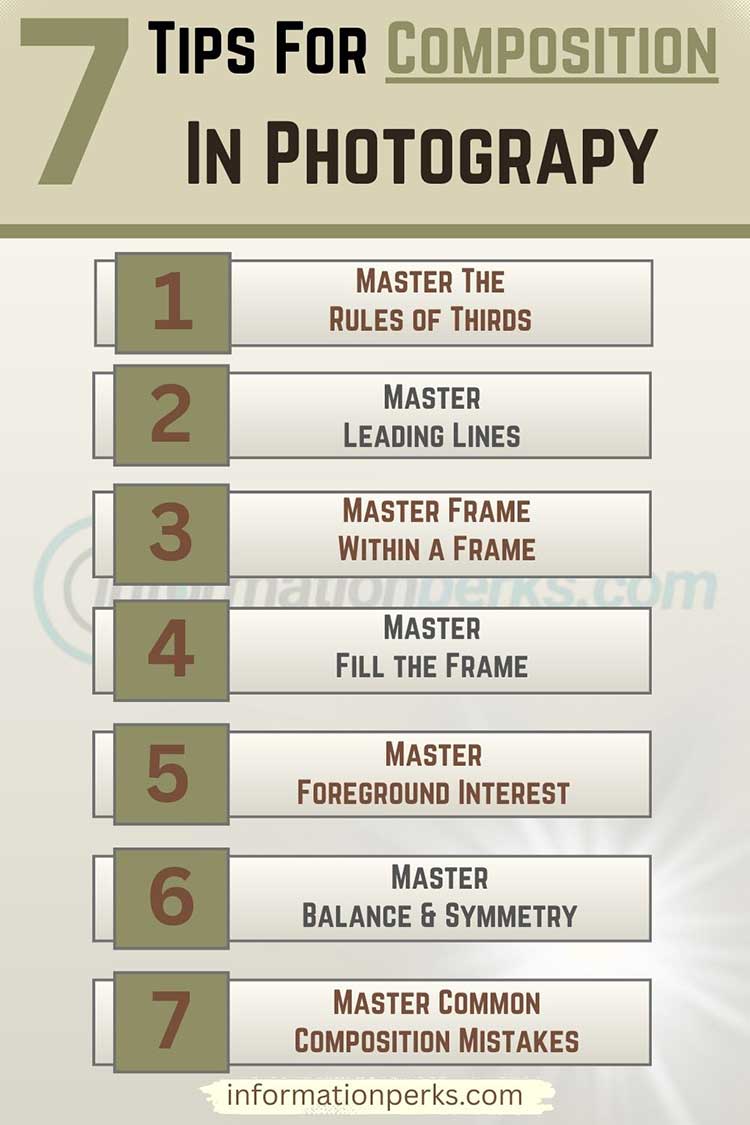
| Number | Main Point | Practical Tip | Meaning |
|---|---|---|---|
| 1 | Master the Rule of Thirds | Place key subjects along grid lines or intersections. | This technique creates balanced, natural compositions that guide the viewer’s eye smoothly through the frame. |
| 2 | Master Leading Lines | Use roads, paths, or edges to point toward the subject. | Leading lines direct attention, add structure, and help viewers visually travel through the image. |
| 3 | Master Frame Within a Frame | Use doors, windows, or branches to surround the subject. | Framing isolates the subject and adds depth, context, and visual emphasis. |
| 4 | Master Fill the Frame | Move closer to remove unnecessary background elements. | Filling the frame strengthens subject impact and eliminates visual distractions. |
| 5 | Master Foreground Interest | Include objects in the foreground for depth. | Foreground elements create layers that make images feel immersive and three-dimensional. |
| 6 | Master Balance and Symmetry | Distribute visual weight evenly across the frame. | Balanced compositions feel stable, intentional, and visually pleasing to the viewer. |
| 7 | Master Common Composition Mistakes | Check edges and simplify before pressing the shutter. | Avoiding clutter and edge distractions improves clarity and overall image quality. |