
Why are blue sky photos so impressive? Blue sky photos impress because they combine strong color contrast with calm emotional impact, while supporting composition and revealing deliberate technical control by the photographer.

Key Takeaways – Why Are Blue Sky Photos So Impressive?
- Blue skies immediately attract attention by creating strong color contrast and clear visual separation within a photograph.
- A clean blue sky strengthens composition by adding space, balance, and depth without distracting from the main subject.
- Blue tones naturally create a calm, peaceful mood that increases emotional impact and viewer engagement.
- Clear blue skies highlight natural beauty and give photographs a timeless, uncluttered look.
- Capturing rich blue skies requires intentional exposure, light awareness, and thoughtful shooting angles.
- Strong blue sky images signal technical skill and careful decision making rather than luck.
- Blue skies feel special and memorable because ideal conditions do not appear consistently in every location.
- Treating the sky as an active compositional element improves image clarity, storytelling, and overall visual quality.
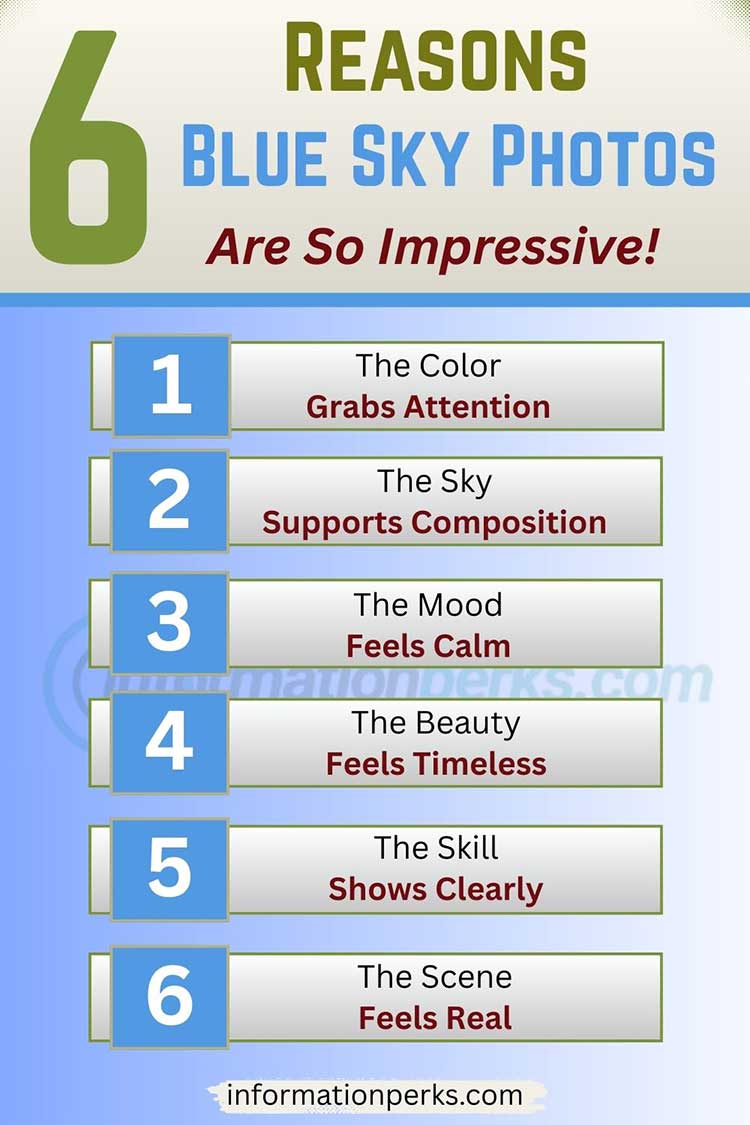
6 Reasons Why Blue Sky Photos Are Impressive
As photographers, we have all seen it happen. One image stops us mid scroll, and often a rich blue sky plays a quiet but powerful role. Yet many beginners struggle to capture skies that look clean, balanced, and pleasing. Blue skies look simple, but they still require timing, awareness, and basic control.
This article explains why blue sky photos feel so impressive when they work. It shows how color attracts attention, how skies support composition, and why mood, skill, and rarity influence how viewers respond. These ideas matter because strong skies help ordinary scenes feel more confident and complete.
Before diving into the details, it helps to rethink the sky. Instead of seeing it as empty space, start using it as a helpful part of your photograph that strengthens each image you make.
1. The Color Grabs Attention
One-sentence explanation: Great blue skies immediately attract the eye and create visual impact through color contrast.
A. Color Creates Contrast
Blue skies contrast strongly with warm tones like earth, skin, or buildings. That contrast pulls the viewer’s eye into the frame. I often use blue skies to separate my subject from the background clearly. Strong color separation adds clarity and makes compositions feel intentional rather than crowded.
Color contrast also helps guide attention. When the sky stays clean and saturated, the subject stands out naturally. Viewers read the image faster and understand where to look. This clarity strengthens visual storytelling.
B. Color Feels Bold
Deep blue skies feel confident and bold. They give photographs a sense of strength and stability. I notice viewers respond quickly to images with rich sky color. The scene feels deliberate rather than accidental.
Bold color also signals good timing and exposure control. When photographers manage light well, blues stay clean instead of pale. That control builds trust with the viewer and increases perceived image quality.
2. The Sky Supports Composition
One-sentence explanation: A clear blue sky provides structure and balance that strengthens overall composition.
A. Sky Creates Space
Blue skies create visual breathing room. They allow subjects to exist without clutter. I often leave generous sky space above landscapes or architecture. That space adds scale and gives the scene room to feel open.
Negative space helps simplify compositions. When the sky stays clean, the subject gains importance. This approach works well for minimalist and travel photography where clarity matters.
B. Sky Adds Depth
A blue sky helps establish depth by separating foreground, midground, and background. I often use the sky as a clean background layer. This separation helps scenes feel three dimensional rather than flat.
Depth improves realism. Viewers sense distance and scale when the sky feels natural and balanced. That depth invites longer viewing and stronger engagement.

iPhone Photography Accessories
3. The Mood Feels Calm
One-sentence explanation: Blue skies naturally create a calm, peaceful emotional response in viewers.
A. Blue Feels Peaceful
Blue connects with calm and quiet. When I photograph blue skies, viewers often describe the images as relaxing. The color reduces tension and invites slower viewing.
This emotional response works well for nature, travel, and lifestyle photography. Calm skies help images feel welcoming rather than overwhelming.
B. Sky Sets Emotion
The sky influences emotional tone more than many photographers realize. Clear blue skies suggest stability and comfort. I use them intentionally when I want images to feel positive and reassuring.
Emotional consistency matters. When sky color supports mood, the image feels complete and emotionally honest.
4. The Beauty Feels Timeless
One-sentence explanation: Blue skies highlight natural beauty in a way that feels classic and enduring.
A. Nature Looks Pure
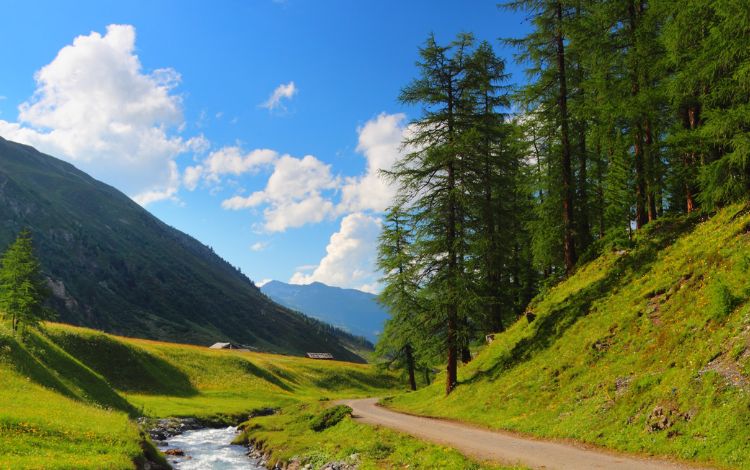
A clean blue sky showcases nature at its simplest. Mountains, coastlines, and fields feel pure and unspoiled under clear skies. I often wait for these conditions when photographing landscapes.
This simplicity keeps images from feeling dated. Viewers connect with scenes that feel natural and familiar.
B. Sky Feels Majestic
Blue skies add a sense of grandeur. They make scenes feel larger and more meaningful. Even simple locations gain presence under strong sky color.
Majesty does not require dramatic clouds. Clean skies often feel more powerful because they allow the subject to speak clearly.
5. The Skill Shows Clearly
One-sentence explanation: Capturing strong blue skies demonstrates technical understanding and exposure control.
A. Exposure Requires Control
Blue skies punish poor exposure. Overexposure quickly washes color away. I rely on careful metering and exposure compensation to preserve saturation.
Good sky color shows discipline. Viewers may not know why the image works, but they sense competence immediately.
B. Technique Builds Quality
Strong blue skies reflect smart shooting choices. Lens selection, aperture control, and timing all matter. I often adjust my angle to manage glare and contrast.
These decisions separate casual snapshots from polished photographs. Technical skill becomes visible without feeling forced.
6. The Scene Feels Rare
One-sentence explanation: Clear blue skies feel special because they do not appear consistently in every location.
A. Conditions Feel Special
In many regions, clear blue skies remain unpredictable. When they appear, they feel valuable. I treat those moments with intention and patience.
Scarcity increases impact. Viewers sense when a scene required waiting and awareness.
B. Moments Feel Unique
No two blue skies look identical. Light, season, and location change color subtly. Each photograph becomes a unique record of a fleeting moment.
That uniqueness gives blue sky images lasting value. They feel personal rather than repeatable.
Conclusion
Blue sky photographs impress because they unite color, mood, composition, and technical control into a single visual statement that feels clear, confident, and intentional. When you understand how skies influence attention and emotion, your images gain structure, balance, and purpose rather than empty space.
You can apply this understanding by treating the sky as an active element, not a background. Watch light direction, manage exposure carefully, and position subjects to work with the sky rather than compete against it.
The next time you shoot, slow down and look upward first. Evaluate the sky, adjust your angle, and make deliberate choices that allow blue skies to strengthen your composition and storytelling.
Frequently Asked Questions (FAQ)
Q: Why do blue skies look better in photos?
A: Blue skies look better in photos because they create strong colour contrast, add visual clarity, and support balanced compositions. Clean blue tones help separate subjects from backgrounds, making images easier to read and more visually engaging for viewers.
Q: Why do blue sky photos feel calming?
A: Blue sky photos feel calming because blue naturally connects with peace, openness, and stability. Clear skies reduce visual clutter and harsh contrast, allowing viewers to relax and engage emotionally with the scene rather than feeling overwhelmed or distracted.
Q: How do photographers get deep blue skies?
A: Photographers get deep blue skies by controlling exposure, avoiding overexposure, shooting at strong sun angles, and using thoughtful composition. Proper timing and careful metering preserve sky color and prevent washed highlights that weaken visual impact.
Q: Why are blue skies important for composition?
A: Blue skies improve composition by providing clean negative space, enhancing depth, and balancing visual weight. They help frame subjects clearly and create a sense of scale, which strengthens structure and makes photographs feel intentional and well designed.
Q: Are blue sky photos harder to capture than they look?
A: Yes, blue sky photos challenge photographers because exposure errors quickly remove color. Successful images require light awareness, angle selection, and timing. When handled well, blue skies reveal technical control and elevate simple scenes into strong, confident photographs.
Bonus: What time of day is best for blue sky photography?
The best time of day for blue sky photography often falls between mid morning and early afternoon, when the sun sits higher and produces deeper, cleaner blue tones. At this time, the sky scatters light evenly, reducing warm color casts and helping blues appear richer and more saturated with careful exposure control.
Early morning and late afternoon also work well when you manage angles carefully. Lower sun positions create directional light and texture, but they can introduce glare and washed highlights. By positioning yourself with the sun to your side, you can preserve sky color while adding depth and interest to the scene.
Bonus: Why is mid-morning and early afternoon best for blue sky photography?
Mid morning and early afternoon work best for blue sky photography because the sun sits high enough to strengthen blue wavelengths in the sky. At this angle, light scatters more evenly, helping skies appear cleaner and more saturated. Shadows stay controlled, and exposure becomes easier to manage without losing sky color.
During this time, the sky also holds consistent brightness across the frame. That consistency reduces blown highlights and uneven tones. Photographers gain more flexibility with composition because the sky supports subjects instead of overpowering them. With careful positioning and exposure, blue skies look natural, balanced, and visually strong.
Bonus: Can polarizing filters improve sky color?
Polarizing filters can significantly improve sky color by reducing glare and reflections caused by scattered light. When you rotate the filter correctly, it deepens blue tones and increases contrast between the sky and clouds. This effect works best when the sun sits about ninety degrees to your shooting direction.
Polarizers also help balance exposure across the frame. By darkening the sky naturally, they protect highlights and reduce the need for heavy post processing. Photographers gain cleaner color, stronger definition, and more control in bright conditions, especially when shooting landscapes with wide angle lenses.
Bonus: What is blue hour in photography?
Blue hour refers to the short period before sunrise and after sunset when the sky takes on deep blue tones. During this time, the sun sits below the horizon, and indirect light fills the sky evenly. This light creates soft contrast, controlled highlights, and rich blue color without harsh shadows.
Photographers value blue hour because it balances artificial and natural light naturally. City lights, buildings, and landscapes blend smoothly with the sky. Exposure becomes more forgiving, and scenes feel calm and atmospheric. With a tripod and careful timing, blue hour offers consistent color and strong visual mood.
Bonus: How exposure helps blue sky photography?
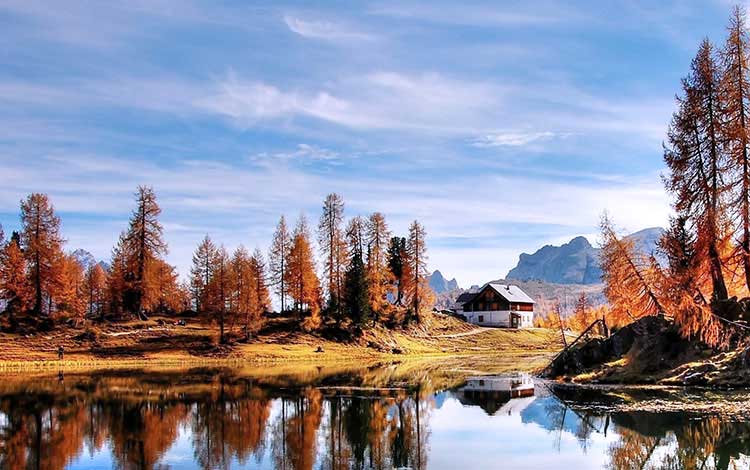
Exposure plays a critical role in blue sky photography because overexposure quickly removes color and contrast. When you expose carefully for the highlights, the sky retains rich blue tones instead of turning pale or white. I often meter for the sky first, then adjust composition to protect color and clarity.
Proper exposure also keeps the sky consistent across the frame. Balanced highlights prevent patchy tones and harsh transitions. By using exposure compensation and watching your histogram, you maintain detail and saturation. This control allows the sky to support the subject rather than overpowering the scene.